
Planning a trip to Peru and wondering if a homestay in Lake Titicaca is worth it?! You’re in the right place!
This massive high-altitude lake ended up being one of the most unique experiences of my entire Peru trip. I mean… how often do you get the chance to sleep with a local family on an island in the middle of the highest navigable lake in the world?! Not often I bet, haha.
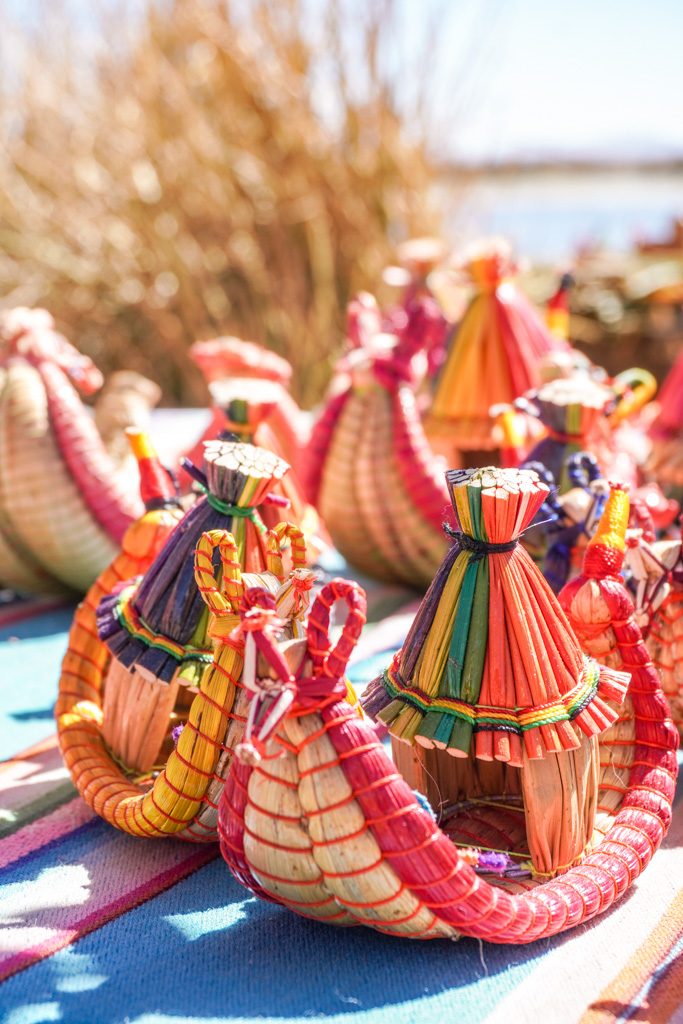
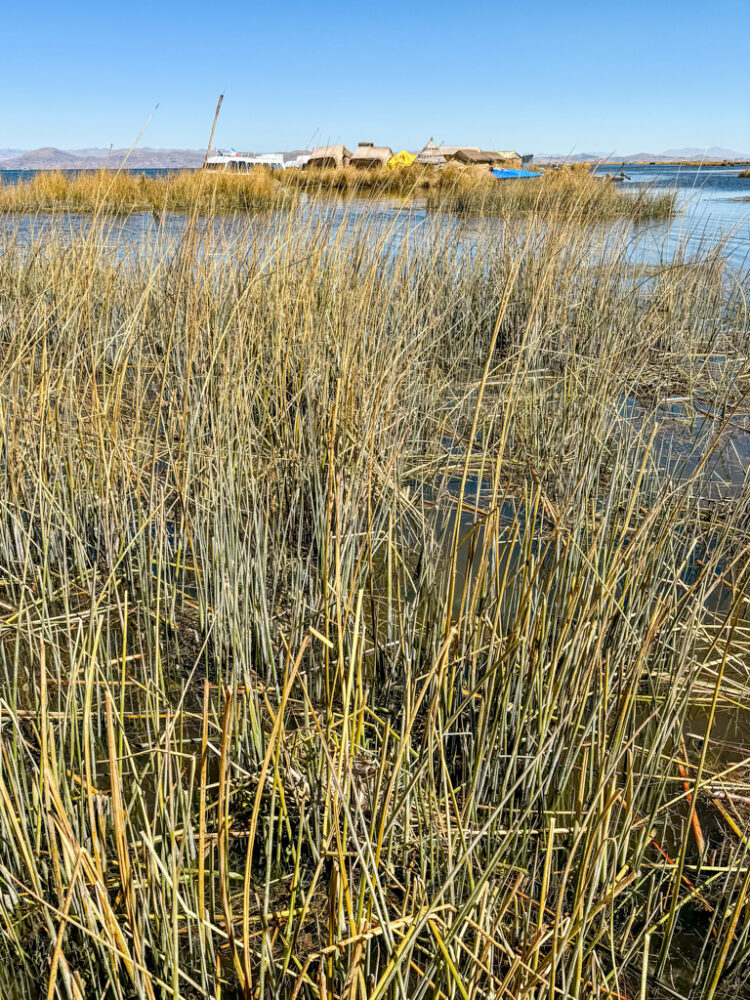
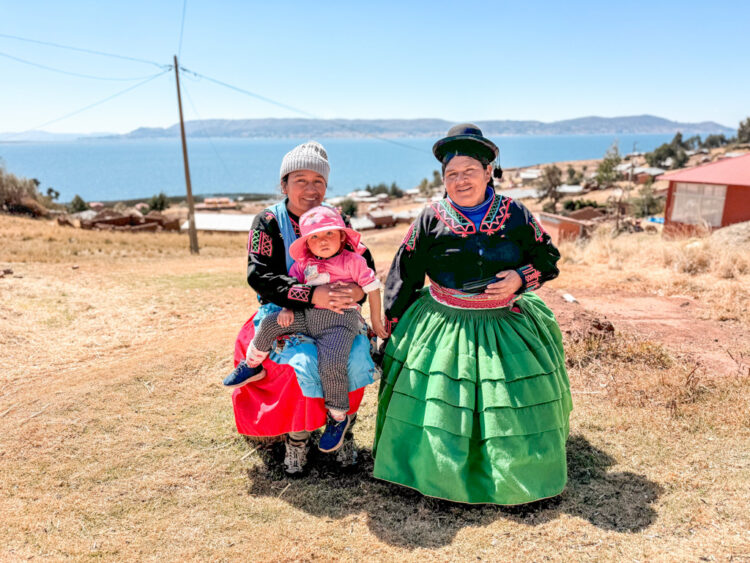
From floating reed islands and breathtaking sunsets to learning about local traditions, eating homemade meals (so many potatoes!), and getting a glimpse into everyday life with a local Quechua family, Lake Titicaca completely surprised me – in the best possible way.
Now I’ll be honest… before planning my Peru trip, Lake Titicaca wasn’t even on my radar. Machu Picchu? Obviously. Rainbow Mountain? 100%. Cusco? Now that was a given. But Lake Titicaca? I mostly visited because it was already part of the multi-week tour I signed up for… And wow, am I glad I did.
Was my homestay luxurious? Not even close. The accommodations were simple, the shower was… let’s just say memorable, and Wi-Fi was basically nonexistent. But that’s kind of the whole point. It ended up being one of the most authentic cultural experiences I’ve had while traveling, and I’d choose it again in a heartbeat.
If you’re trying to decide whether to visit Lake Titicaca, whether a homestay is actually worth it, or how many days you should spend here, I’ve got you covered. In this guide, I’m sharing exactly what my experience was like, what I’d do differently, and everything you need to know before visiting.
But first… let’s talk about what Lake Titicaca actually is and some logistics.
Important Info about Lake Titicaca
What Is Lake Titicaca?
Only the most famous lake in all of Peru! But no worries if you’ve never heard of it before – I’m here to tell you why it’s worth adding to your Peru itinerary! Lake Titicaca is one of Peru’s most iconic destinations – and no, it’s not just famous because of its funny name, haha.
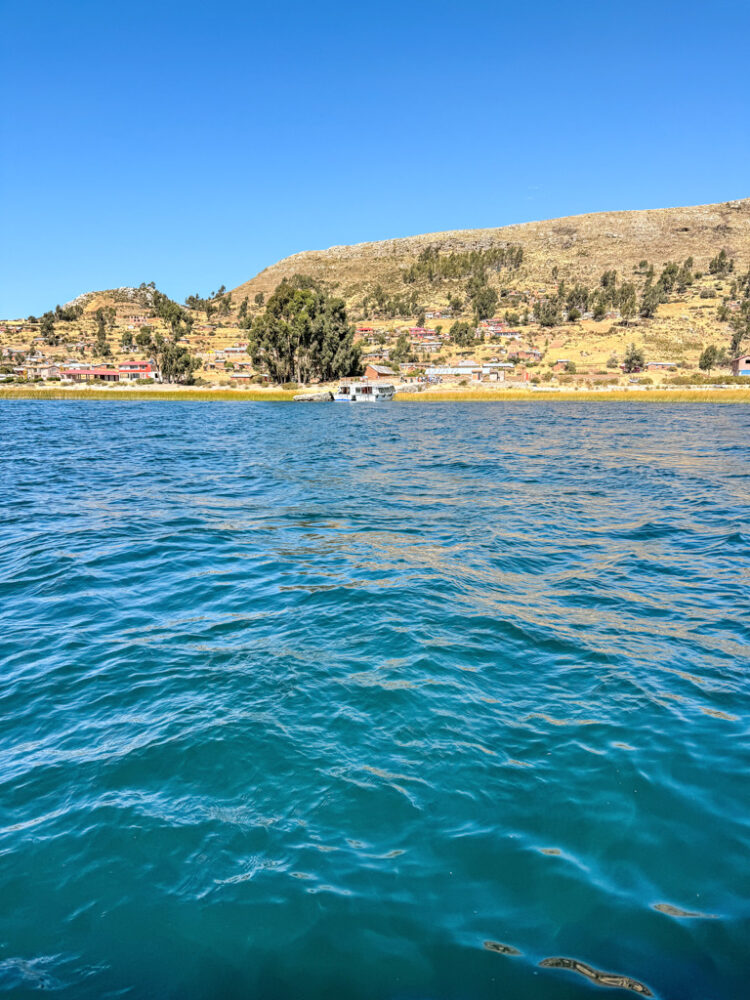
Straddling the border between Peru and Bolivia, Lake Titicaca sits at a whopping 12,507 feet (3,812 meters) above sea level, making it the highest navigable lake in the world. Basically, it’s the highest lake where large boats can actually operate. So yeah, you’re REALLY high up! Pretty cool, right?!
But honestly, the altitude is just one small part of what makes Lake Titicaca so interesting. The lake is best known for its floating Uros Islands (yes, they’re really made of reeds!) and the chance to stay with a local family on islands like Amantani or Luquina. I did an overnight homestay, and it ended up being one of the most memorable experiences of my entire Peru trip.
Where Is Lake Titicaca?
Lake Titicaca sits high in the Andes of South America, along the border of southeastern Peru and western Bolivia. It’s a popular stop for travelers exploring Peru before heading to Bolivia (or vice versa).
And this lake is beyond MASSIVE. It covers more than 3,200 square miles (8,300 square kilometers), with roughly 60% in Peru and 40% in Bolivia.
On the Peruvian side, the city of Puno is the main gateway to the lake and its islands, while Copacabana is the main jumping-off point on the Bolivian side. Both sides offer some pretty incredible experiences, but this guide focuses on the Peruvian side, where I spent two unforgettable days.
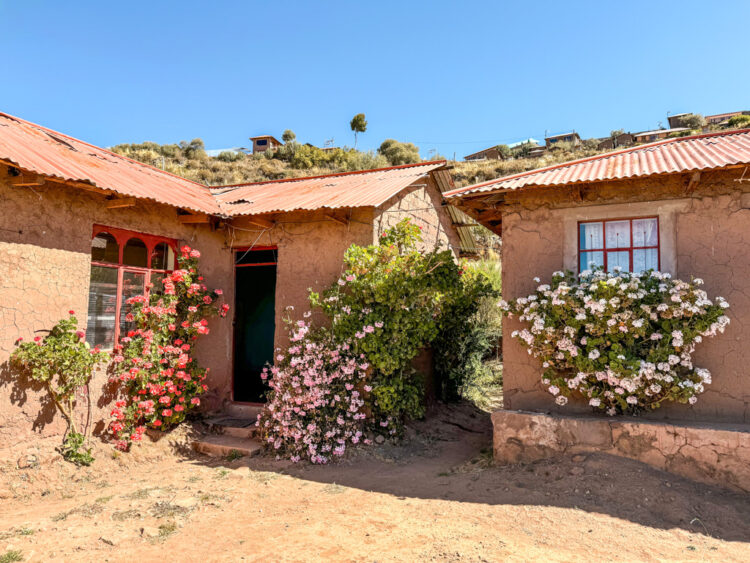
How to Get to Lake Titicaca
If you’re visiting the Peruvian side of Lake Titicaca, you’ll need to make your way to Puno first (a city in southeastern Peru, right on the lake). Pretty much every boat tour, island excursion, and overnight homestay starts here, so it’s your main jumping-off point for exploring the lake.
Here’s how to get to Puno depending on where you’re coming from:
From Cusco: Lake Titicaca is about 240 miles (390 km) southeast of Cusco. You can travel between the two by tourist bus, regular bus, train, or overnight bus, with the journey generally taking around 6–8 hours.
It’s an easy next stop if you’re already exploring Cusco, the Sacred Valley, or Machu Picchu, and it fits naturally into a longer Peru itinerary.

From Arequipa: Coming from Arequipa? You’re looking at roughly 185 miles (300 km) and about 5–7 hours of travel, depending on how you get there. Lots of travelers combine Arequipa and Lake Titicaca before continuing on to Cusco (or vice versa), since they’re all part of Peru’s classic southern tourist route. That’s pretty much what I did – although I actually came from Colca Canyon – and I thought the route made perfect sense.
If you’re short on time or don’t want to figure out all the transportation yourself, you can also take a 2-day tour from Arequipa that visits Colca Canyon before continuing to Puno. This is a good option if you want to see Colca Canyon along the way without having to organize all the logistics yourself.
From La Paz, Bolivia: Lake Titicaca is an easy addition if you’re traveling through Bolivia, too. From La Paz, it’s about 95 miles (155 km) to Copacabana, Bolivia’s main gateway to the lake.
You can explore the Bolivian side from there or continue across the border into Peru if you’re heading toward Puno. Just remember to account for border crossing time when planning your journey.
Why Puno Is the Main Gateway
Puno isn’t necessarily a place I’d go out of my way to visit, but it’s pretty much unavoidable if you want to explore the Peruvian side of Lake Titicaca! It’s the main jumping-off point for boat trips to the floating Uros Islands and the islands of Luquina and Taquile, where you can even spend the night with a local family (which I highly recommend!).
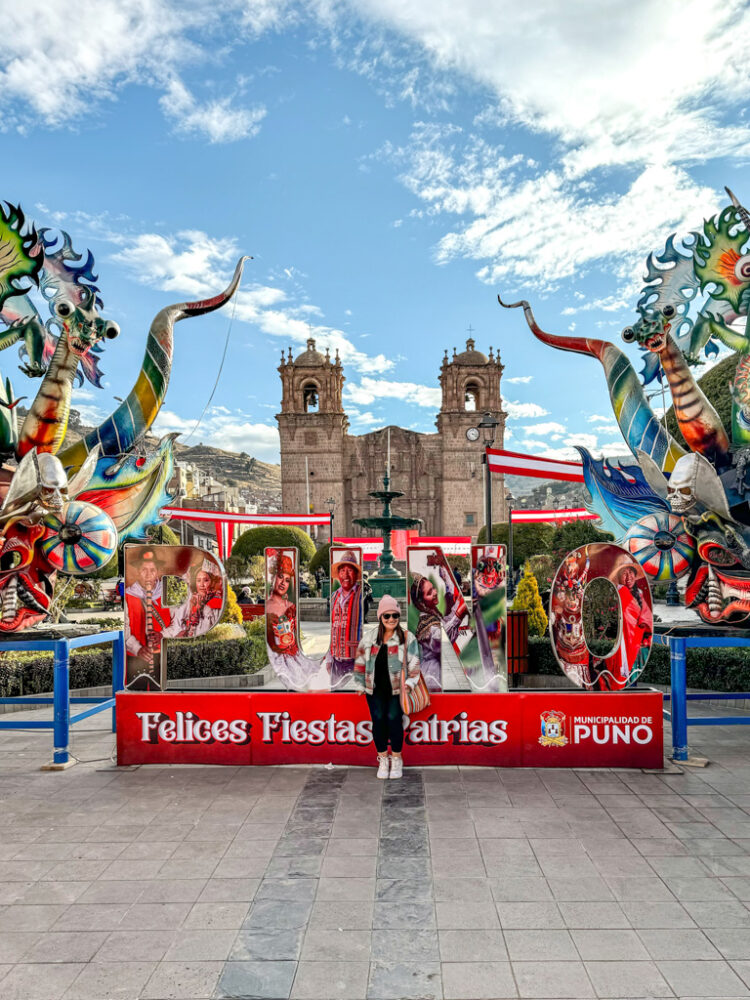
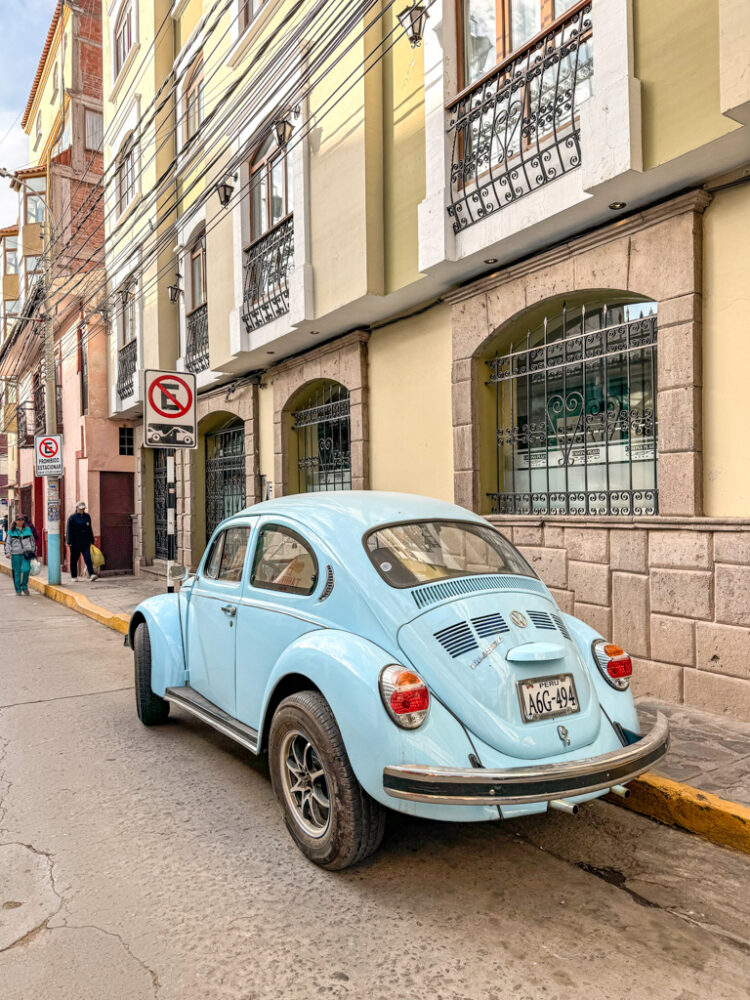
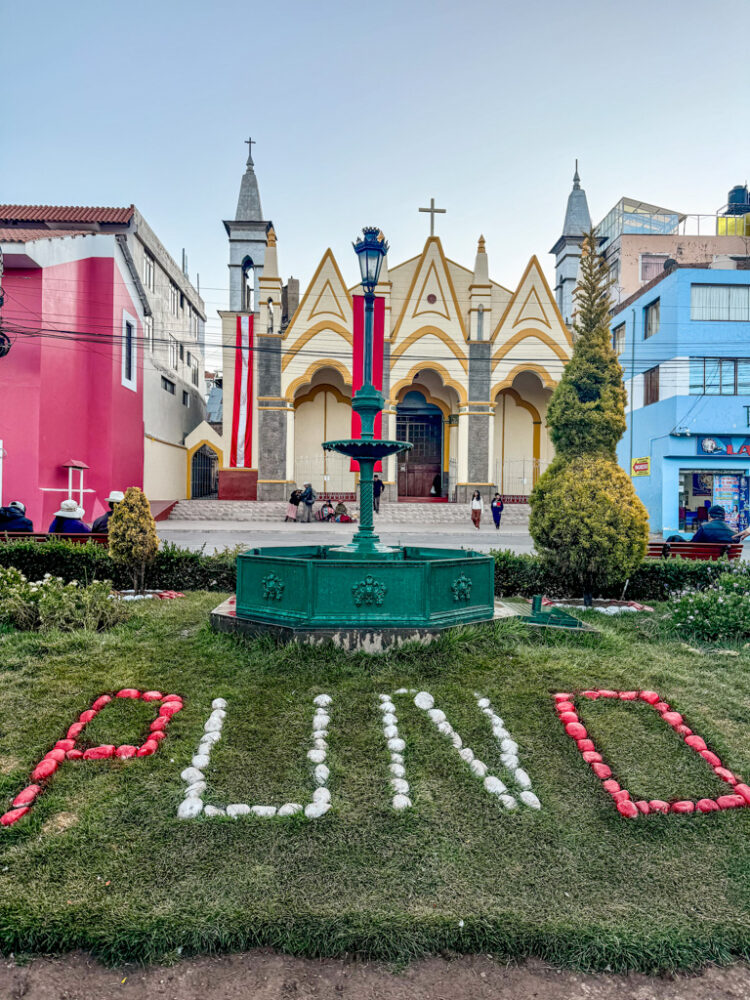
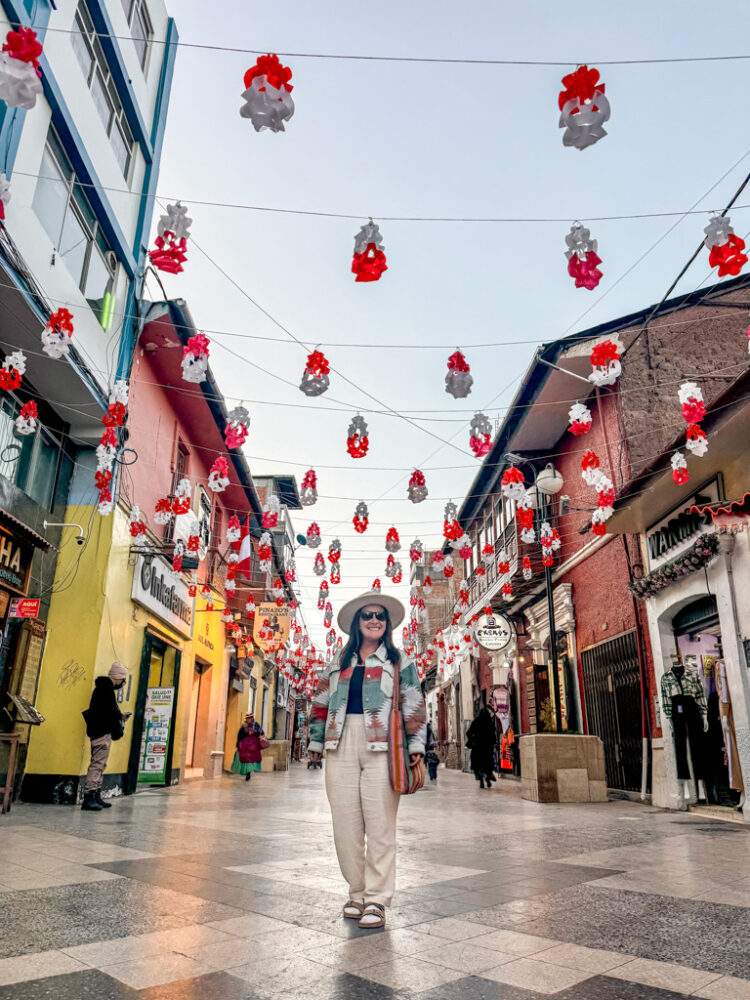
The good news? You don’t need to figure out the boat logistics yourself. Most tours include hotel pickup in Puno and take you straight to the harbor. My tour even picked me up in a little tuk-tuk, which was such a fun and unexpected surprise at 7 in the morning, haha.
I’d plan on spending a night here before your lake excursion, rather than trying to squeeze everything into one day. And if you’re doing an overnight homestay like I did, you’ll probably barely spend any time in Puno itself – you’ll be heading straight out onto the lake!
How Many Days Do You Need at Lake Titicaca?
I think 2 days is the sweet spot for visiting Lake Titicaca. It gives you enough time to visit the floating islands, spend a night with a local family (if you choose), and actually slow down and appreciate what makes this place so special.
That said, the right amount of time depends on what kind of experience you’re looking for and how much time you have.
One Day
If you’re short on time, you can absolutely visit Lake Titicaca as a day trip from Puno. Most day tours include visits to the famous Uros Floating Islands and Taquile Island, giving you a good introduction to the lake’s culture and scenery. You’ll be back in Puno by the evening, so this works well if you’re squeezing Lake Titicaca into a tighter Peru itinerary.
There’s also a super short Lake Titicaca day trip (just 3 hours!) if you’re really tight on time. I’d personally want longer than a few hours, but if that’s all you’ve got, make the most of it!
Just know that with a day trip, you’ll miss out on one of my favorite parts of visiting Lake Titicaca: spending a night on one of the islands.
Two Days (What I Recommend)
If your schedule allows, I’d absolutely recommend spending 2 days exploring Lake Titicaca. This is what I chose, and I think it’s the perfect balance. Most overnight tours include a visit to the floating Uros Islands, an overnight homestay on either Luquina Peninsula or Amantani Island, and a stop at Taquile Island before returning to Puno the following afternoon.
The homestay ended up being one of the biggest highlights of my Peru trip. I got to slow down, meet a local family, watch the sunset over the lake, and experience a side of Peru that felt completely different from places like Cusco or Machu Picchu.
One thing worth mentioning: although the lake tour itself was 2 days and 1 night, I spent three nights in the area – one night in Puno before the tour, one night with my host family on Luquina Peninsula, and another night back in Puno afterward.
This wasn’t necessarily by choice; I was on a pre-planned group tour and didn’t have much control over the schedule. You probably won’t need three nights unless your transportation or tour schedule requires it, but I’d still plan on spending a night in Puno before your excursion.
Three or More Days
Extra time?! Whoa, go you! You can either explore this side of the lake further in depth, or even cross the border to the Bolivian side – yes, another country! You’ll wanna go to Copacabana and Isla del Sol, another island steeped in Inca history and one of Bolivia’s major highlights.
If I ever make it back to Lake Titicaca, that’s exactly what I’d do!
Best Time to Visit Lake Titicaca
If you’re wondering when to visit Lake Titicaca, I’d aim for the dry season from May through September. You’re more likely to get those bright blue skies, clear mountain views, and dry weather that make exploring the lake so enjoyable.
That said, the weather can change quickly at this altitude, even during the dry season. Mornings and evenings get COLD, while the sun can feel surprisingly intense during the day (you’re more than 12,000 feet above sea level, after all!). Pack layers and sunscreen, and you’ll be good to go.
Dry Season (May–September)
This is my pick for Lake Titicaca, and exactly when I visited! I had typical dry season weather — zero rain, clear skies, and got to see the blue waters with the Andes stretching out in the distance. Just gorgeous!
Days can be sunny and surprisingly pleasant, but don’t let that fool you – it gets cold once the sun goes down. You’ll def wanna pack a sweater or two. Mornings can be especially chilly if you’re spending the night on one of the islands. Just come prepared with some warm clothes and you’ll be good.
The drier weather also makes planning boat trips and exploring the islands a little easier, without having to worry as much about rain messing with your plans. The downside? This is also the busier time of year, particularly from June through August. Definitely book your tour and accommodations well in advance.
Wet Season (October–April)
The wet season brings, well, rain! Think more frequent showers, cloudier skies, and less predictable weather. January and February are generally the wettest months, so I’d avoid this time if having clear views is a big priority for you (it is for me!).
BUT – it’s not all bad! The landscape is greener, there’s generally fewer tourists, and you may find better prices on accommodations and tours. Plus, rainy season doesn’t mean it’ll rain all day, every day.
Definitely bring a rain jacket and give yourself a little flexibility with your plans. You can still have a great trip; just be prepared for the possibility of rain and cloudy skies.
Altitude at Lake Titicaca
If there’s one thing you should know before visiting Lake Titicaca, it’s this: you are REALLY high up. At 12,507 feet (3,812 meters) above sea level, it’s even higher than Cusco, so altitude sickness is definitely something to be aware of.
How High Is Lake Titicaca?
Lake Titicaca sits roughly 1,300–1,500 feet higher than Cusco (around 11,000 feet). For some perspective, it’s more than twice the elevation of Denver (5,280 feet) and significantly higher than Lake Tahoe (around 6,225 feet). So yeah… this isn’t your average lake vacation, haha.
If you’re visiting Lake Titicaca after spending a few days in Cusco, your body will already have had some time to acclimatize, which is ideal. Going straight from sea level to more than 12,000 feet, on the other hand, gives your body very little time to adjust (and may be rough).
Symptoms of Altitude Sickness
Everyone reacts differently to altitude. Some people feel totally fine, while others feel like they’ve been hit by a truck. Okay, maybe that’s a little dramatic… but you get the idea.
Common symptoms of acute mountain sickness (AMS) include:
- Headache
- Dizziness
- Fatigue
- Nausea or loss of appetite
- Shortness of breath
- Trouble sleeping
Symptoms can develop within hours of arriving at altitude and often feel a lot like a nasty hangover. Thankfully my group felt fine, but I was definitely feeling more winded than usual on some of our hikes around the islands (totally normal at altitude!). Just take it slow!
Don’t try to push through worsening symptoms just to stick to your itinerary. Take a break and avoid further exertion. If symptoms are severe or getting worse, seek medical help and descend to a lower altitude if advised. Confusion, difficulty walking, or shortness of breath at rest are emergency warning signs.
How to Prepare for the Altitude
The best thing you can do is give your body time to adjust. If possible, spend a few days at an intermediate or high altitude before arriving at Lake Titicaca. Visiting Arequipa (where I came from!) or Cusco first can help, although being at altitude doesn’t guarantee you’ll avoid symptoms.
A few other things to keep in mind:
- Take it easy at first. Don’t schedule a packed day of activities as soon as you arrive.
- Drink lots of water! Especially important when you’re traveling at altitude.
- Go easy on the alcohol. It’s best to avoid it during the initial acclimatization period.
- Get plenty of rest. Give yourself time to adjust before tackling anything strenuous.
- Talk to your doctor if you’re concerned. Medication such as acetazolamide (Diamox) can help prevent altitude sickness, but it’s not right for everyone. My doctor prescribed me Diamox and I experienced zero altitude problems!
And honestly, don’t let the altitude scare you away from Lake Titicaca. Just give yourself time to adjust and pay attention to how you’re feeling.
If you’re winded walking up a hill or climbing a bunch of stairs, it’s not necessarily that you’ve suddenly become wildly out of shape. It’s the altitude, lol.
My 2-Day Lake Titicaca Itinerary

If you only have two days for Lake Titicaca, I’d definitely recommend doing an overnight homestay! Most tours (like this one!) follow the same general itinerary: visiting the Uros Floating Islands, exploring Taquile Island, and spending the night with a local family on Amantani Island or Luquina Peninsula. This tour follows a very similar route if the first one is booked up (quite possible in high season).
And that’s exactly how I spent my two days on the Peruvian side of Lake Titicaca! Honestly, these tours are exceptionally good value considering they include transportation, sightseeing, meals, and your overnight stay. Plus, you don’t have to figure out any of the logistics yourself.
Day 1: Uros, Taquile, & Luquina Peninsula
Morning: Depart from Puno
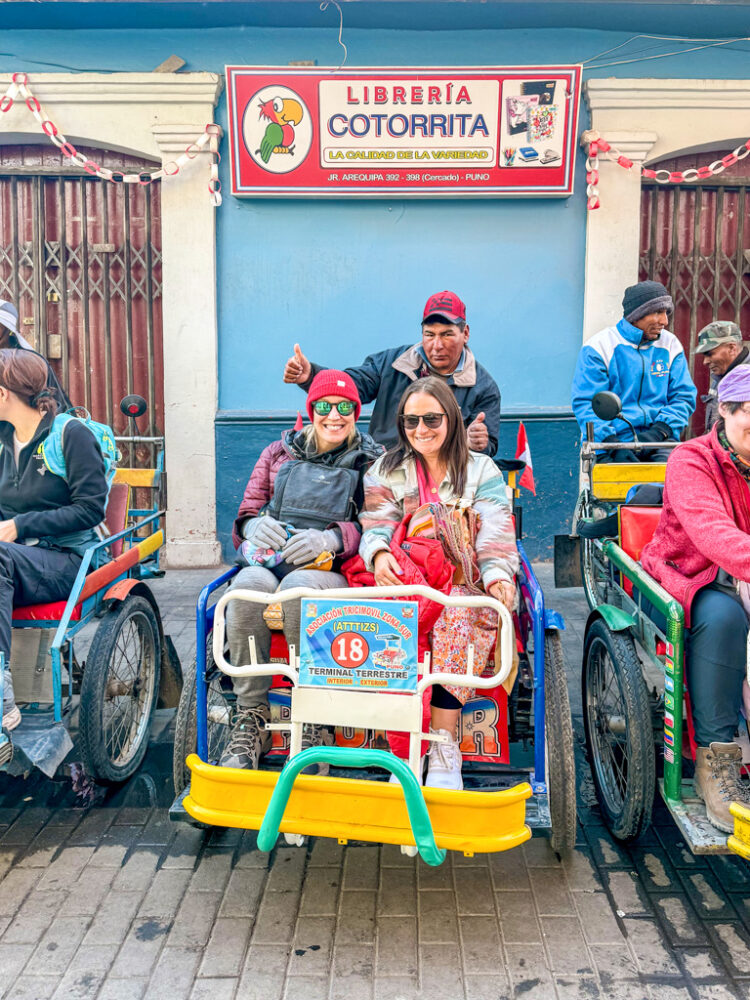
My Lake Titicaca adventure started bright and early in Puno (psst — don’t expect to sleep in at all while you’re in Peru — there’s so many early mornings here, haha). We actually took a little tricycle tuktuk from our hotel to the port, which was a much more fun way to start the morning than your typical hotel transfer.
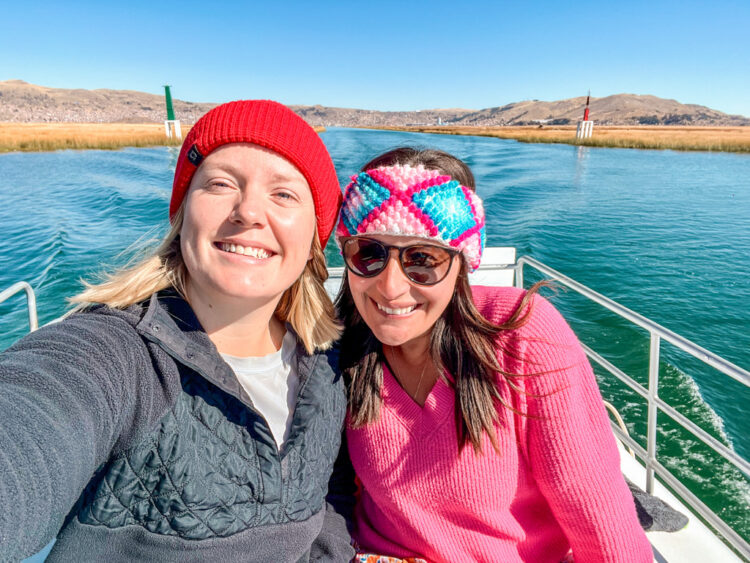
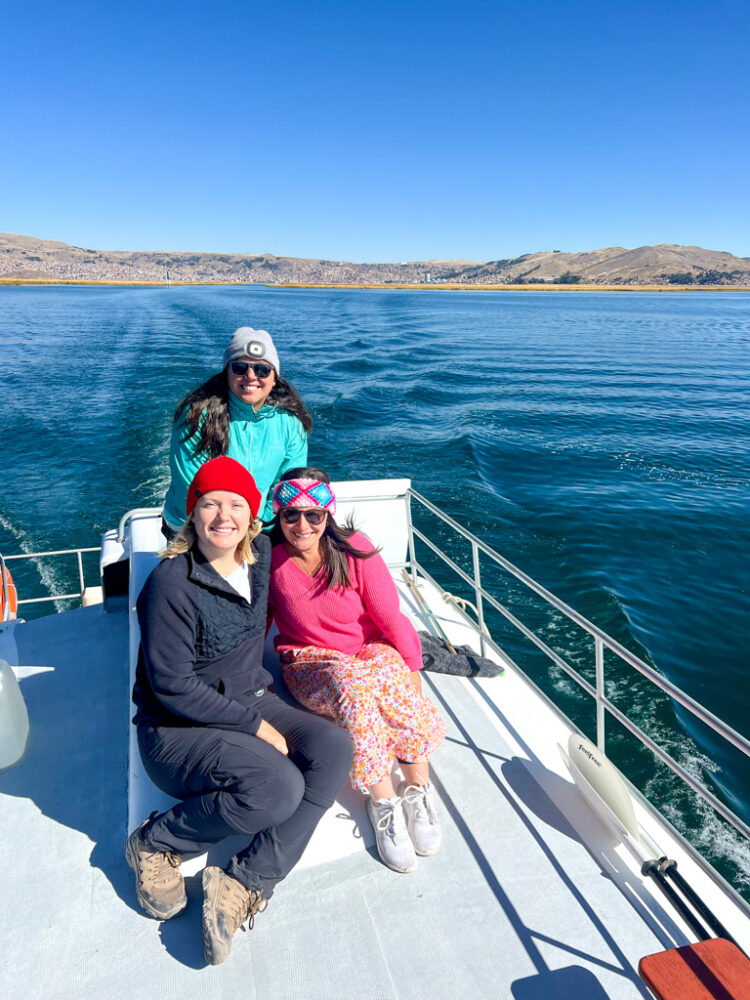
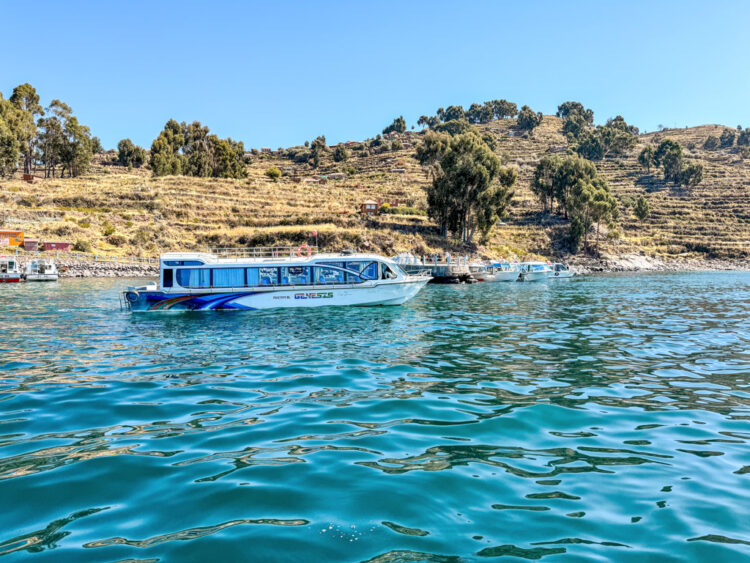
From there, we hopped on our boat and headed out onto Lake Titicaca. And wow – this lake is HUGE. I knew it was big, obviously, but I don’t think I fully understood just how massive it was until we were actually out on the water. It kinda felt like we were out in the middle of the ocean!
Stop 1: Visit the Uros Floating Islands
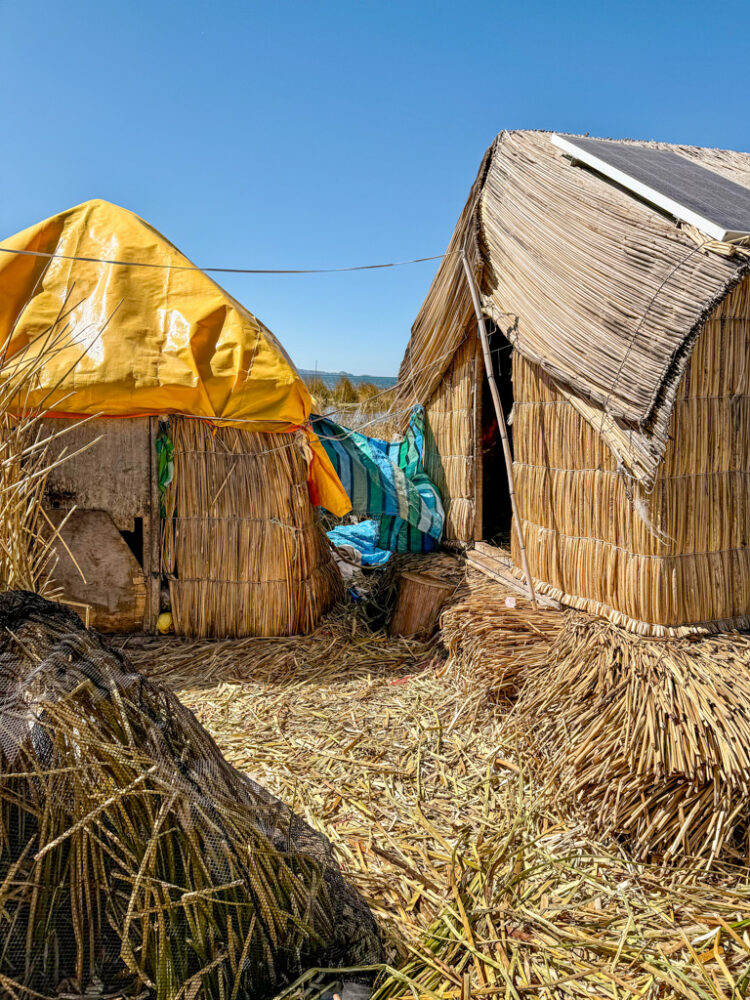
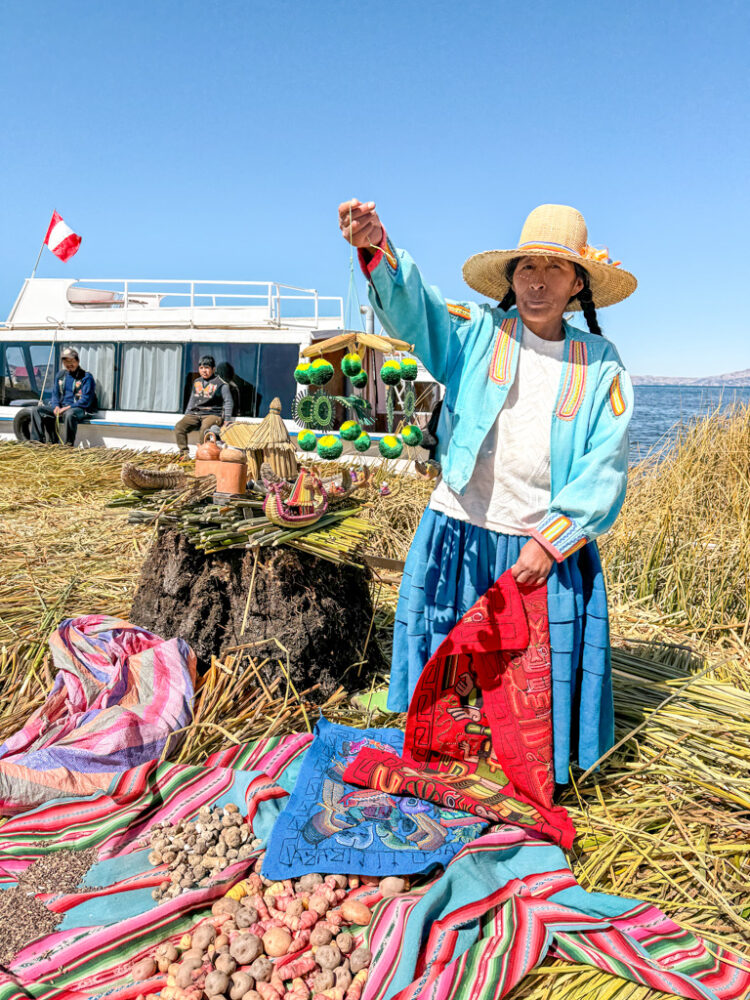
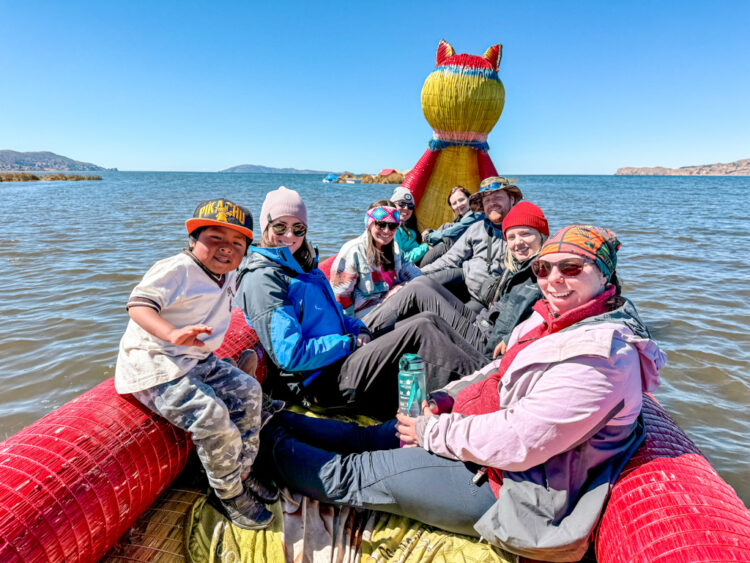
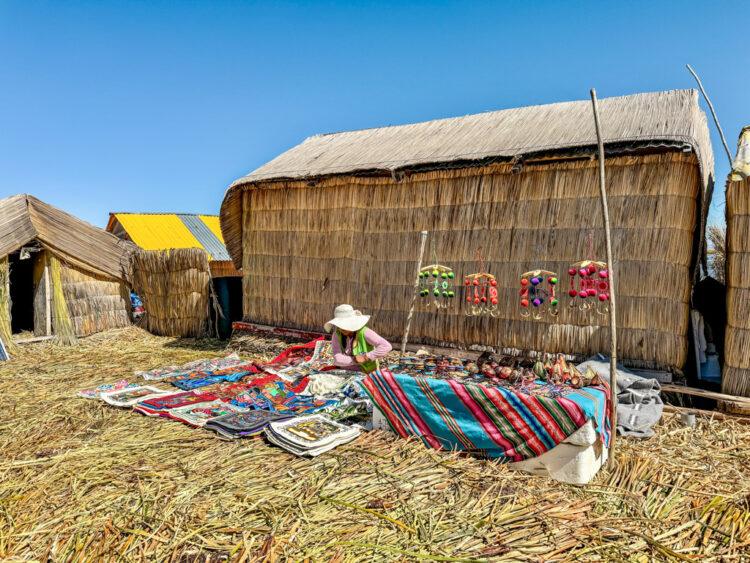
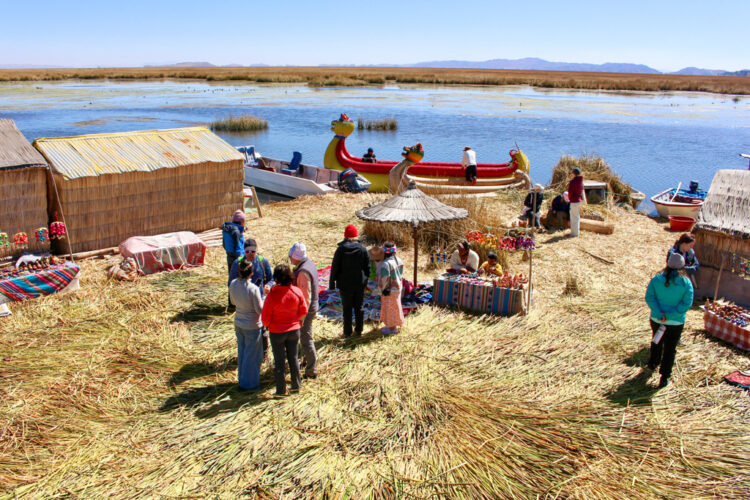
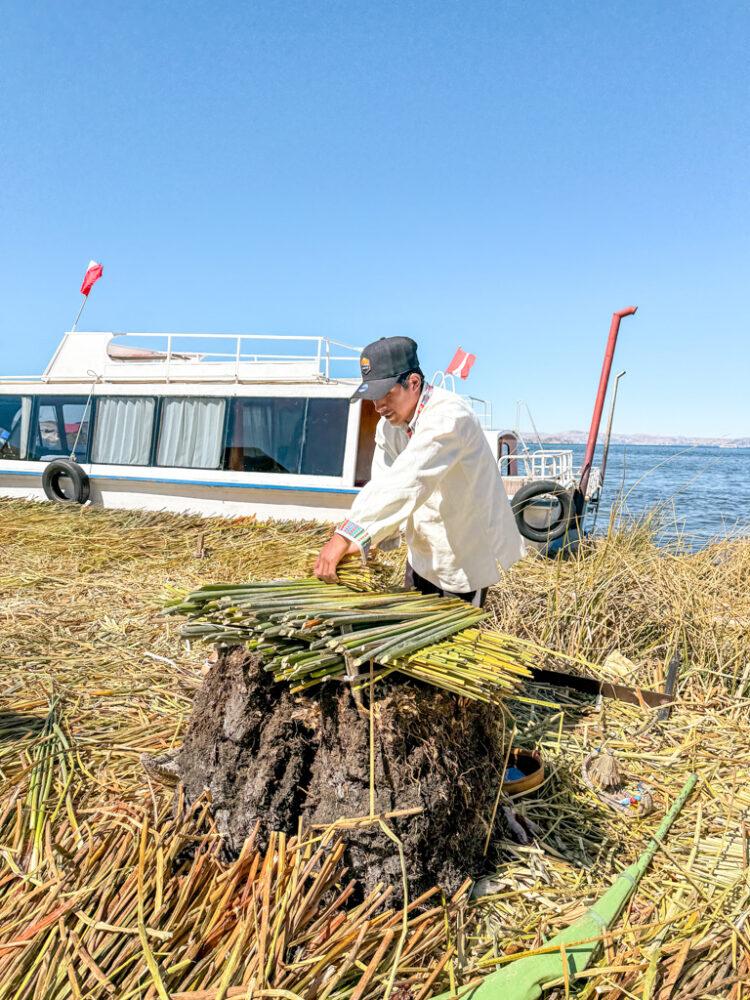
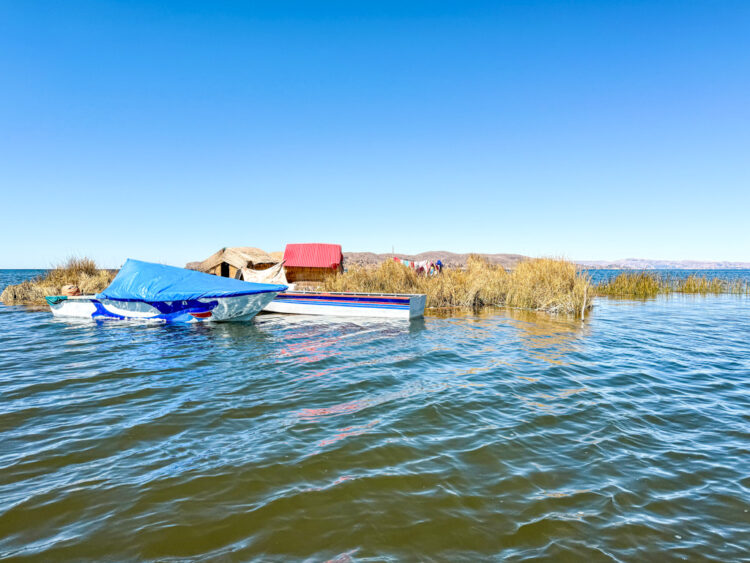
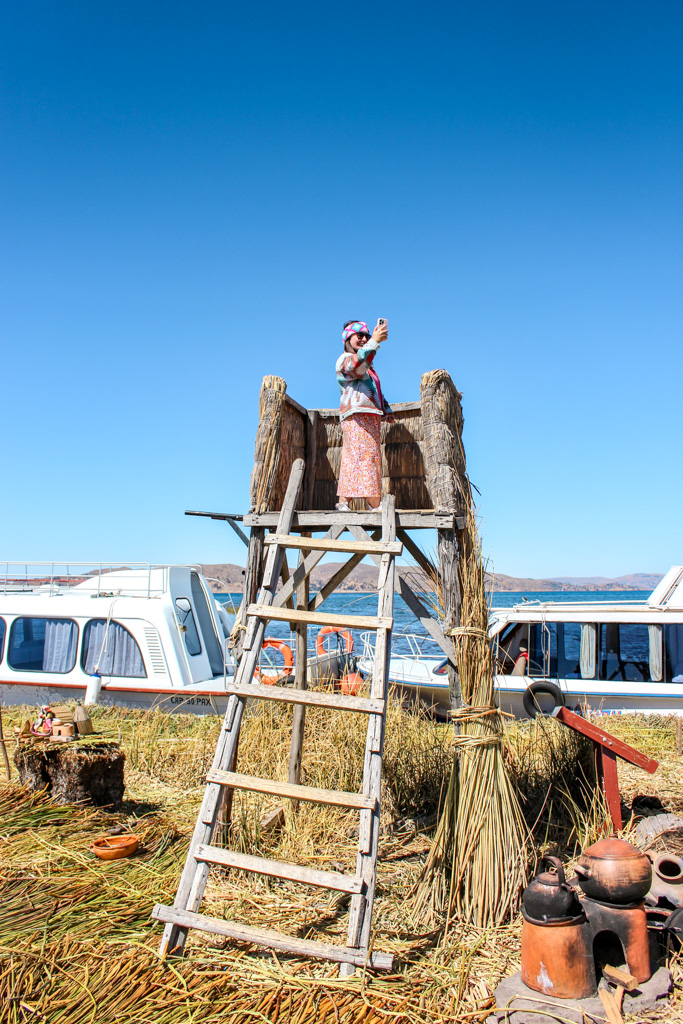
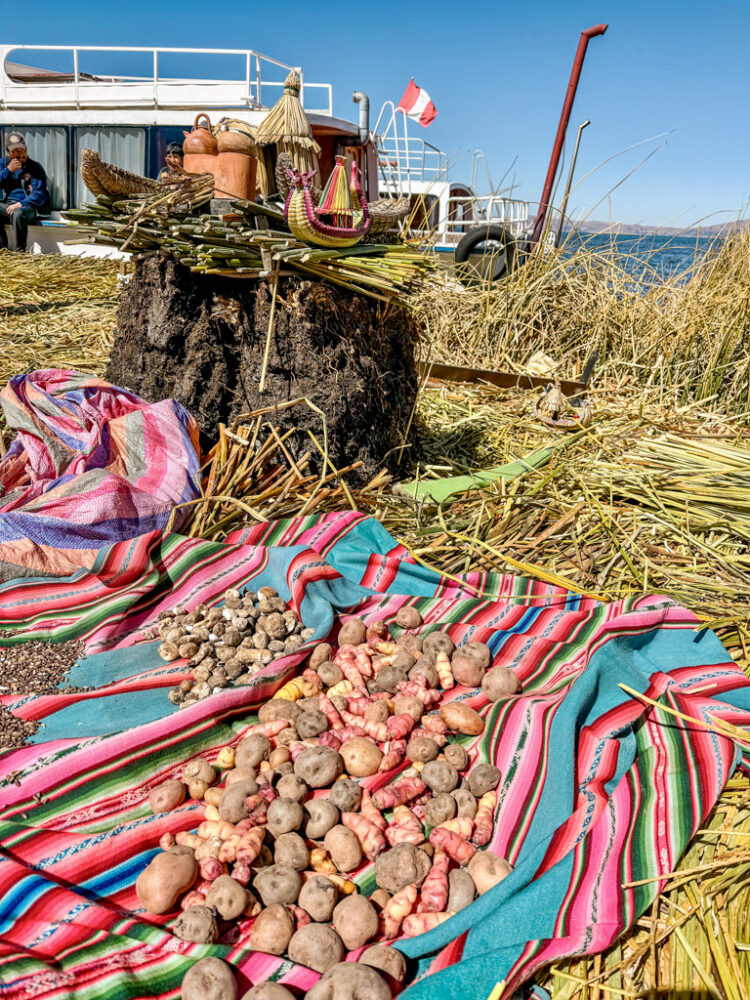
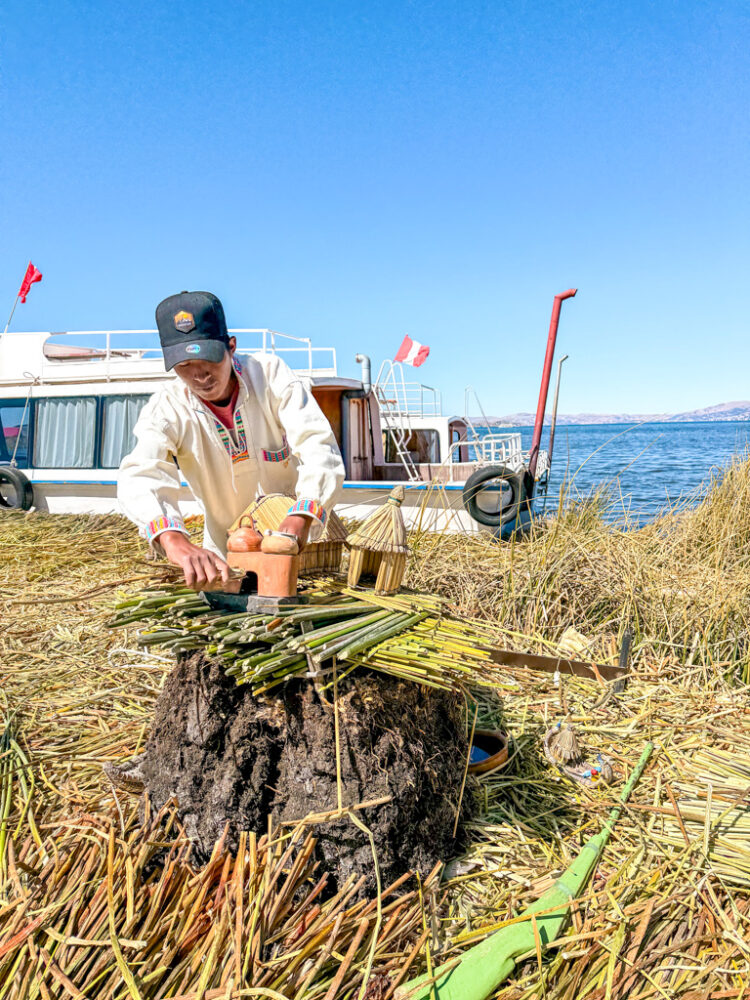
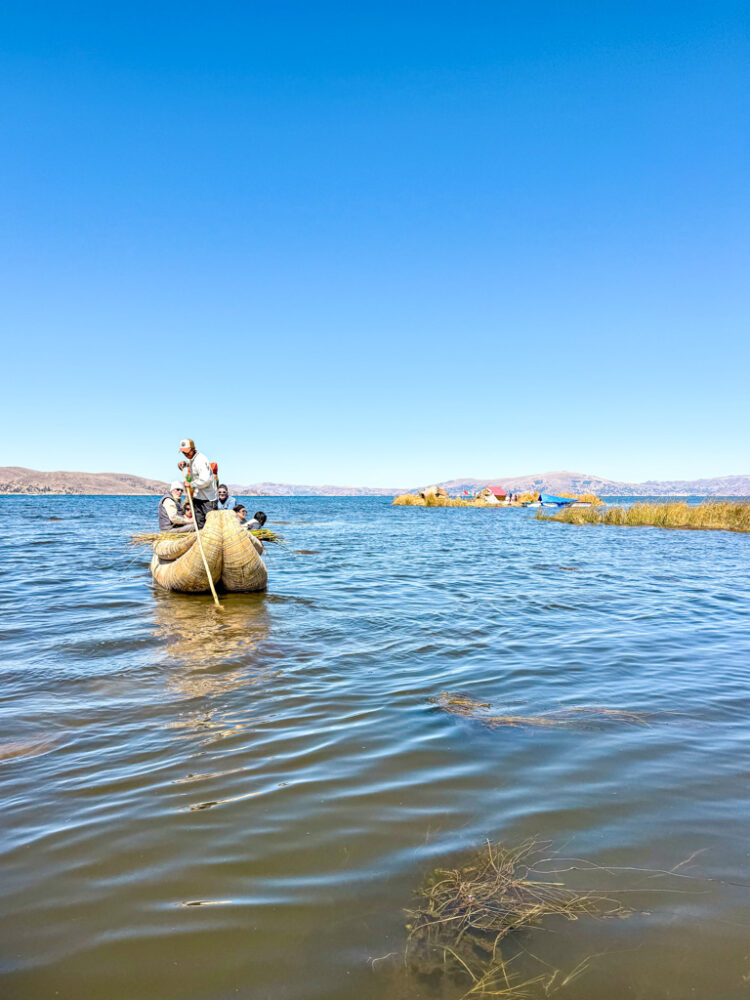
The Uros Floating Islands are a cluster of artificial islands made from layers of totora reeds. And yes, I really mean the actual islands themselves, the homes, the boats, and more! Literally everything.
I’ll be honest: it’s touristy. Like, really touristy. There’s really no getting around that. Pretty much every Lake Titicaca itinerary includes a visit, so you’re definitely not going to have the place to yourself. But I still found it fascinating to learn how these communities build and maintain the islands and actually live on them.
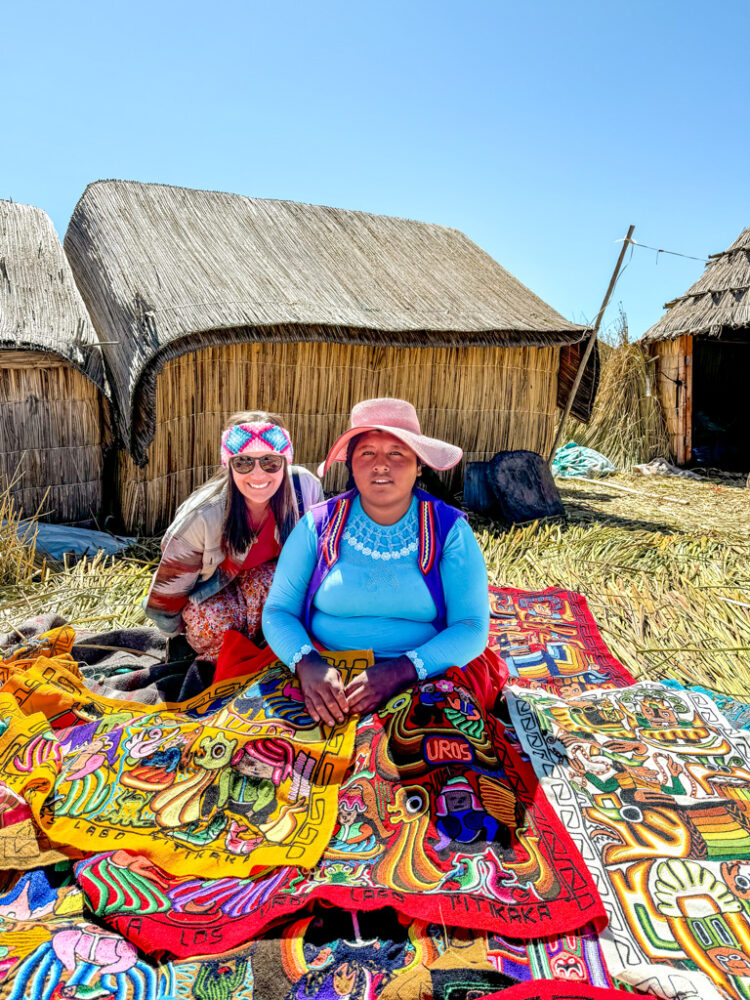
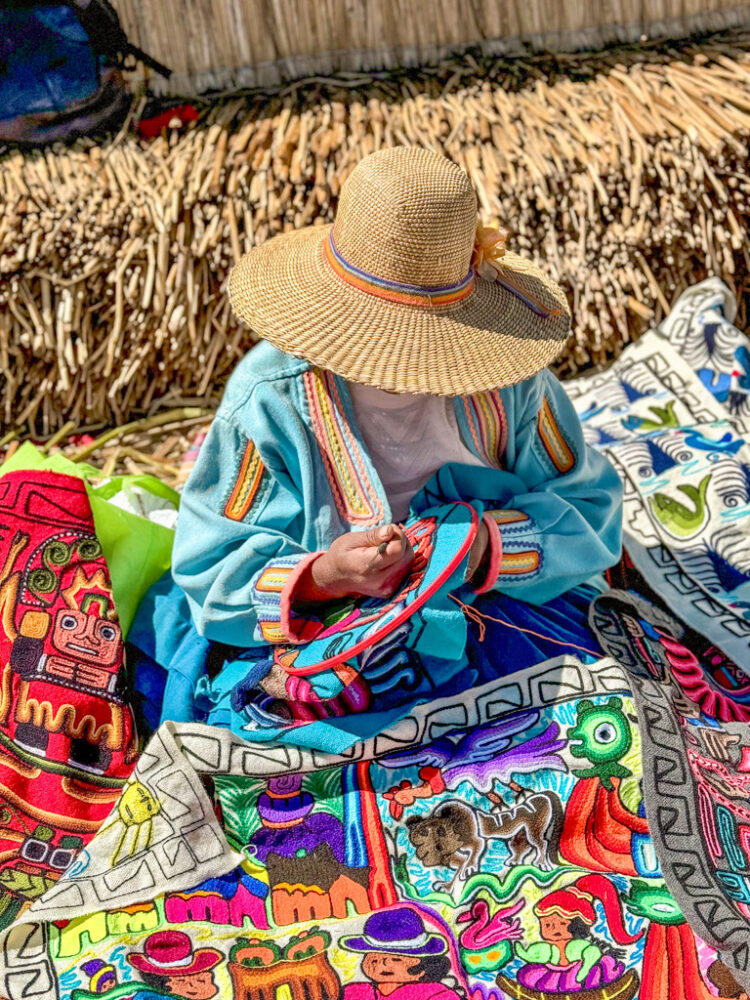
We learned how the islands are made, met some of the local families, and checked out their colorful artwork and handicrafts. We also took a quick ride on one of the traditional reed boats with a local family and their super cute 3-year-old son, who was VERY interested in hanging out with us!
Stop 2: Hiking and Lunch on Taquile Island

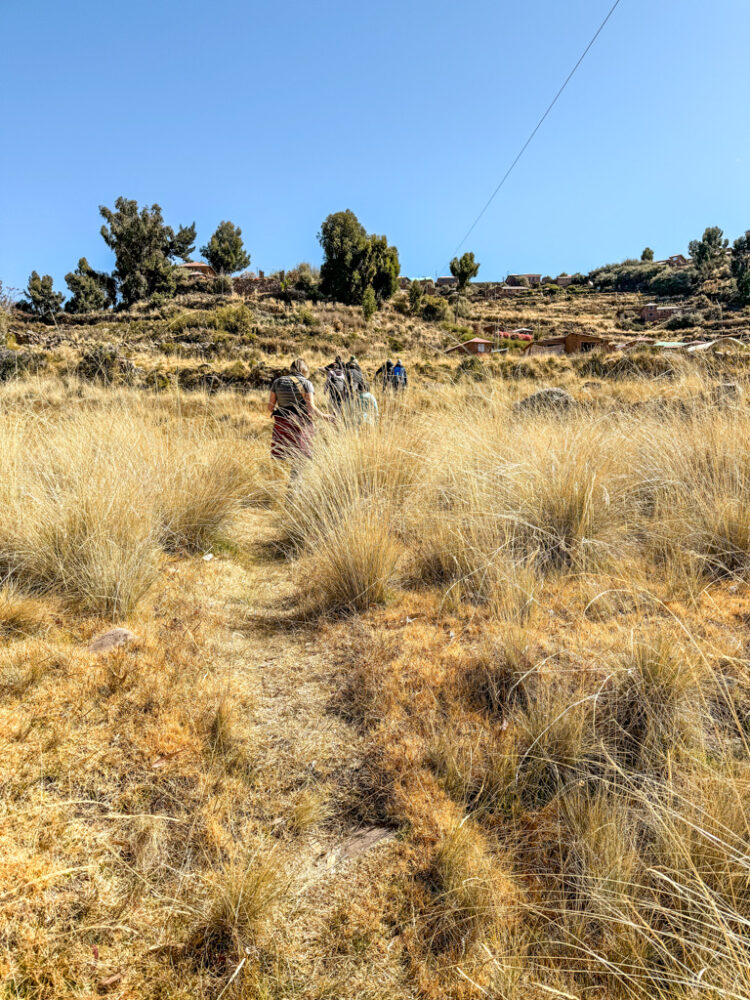
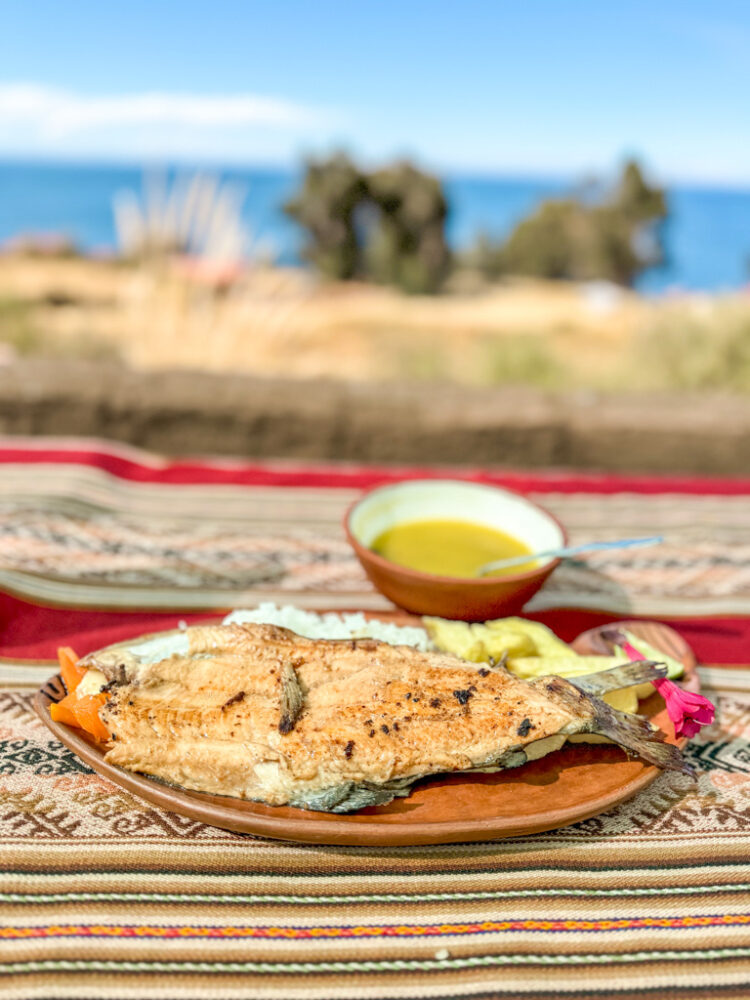
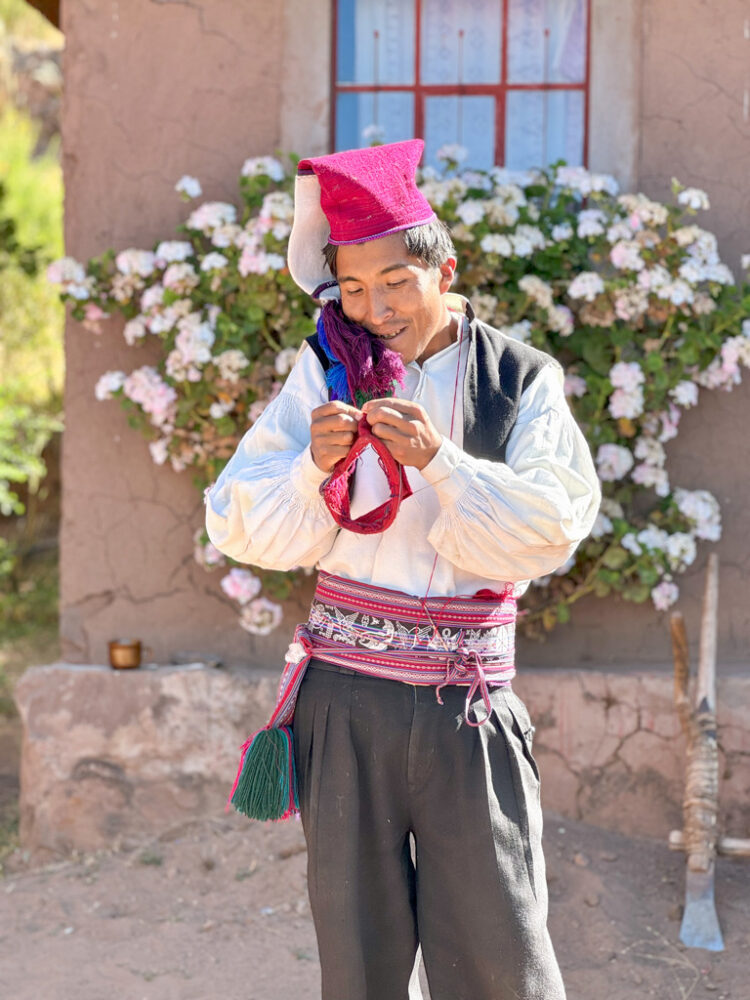
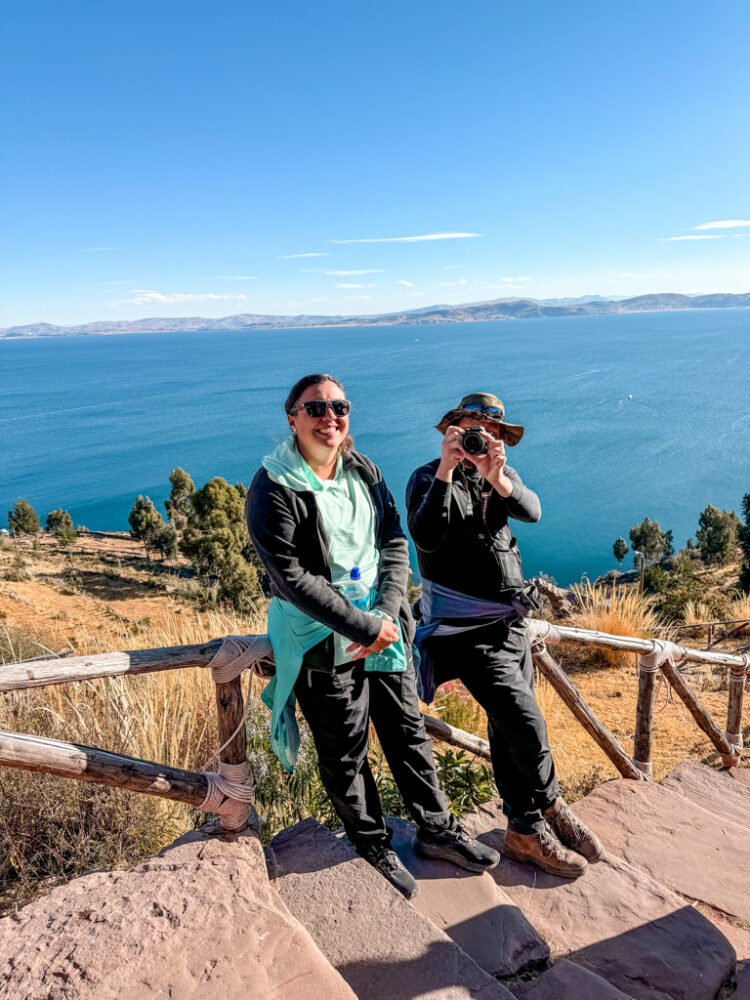
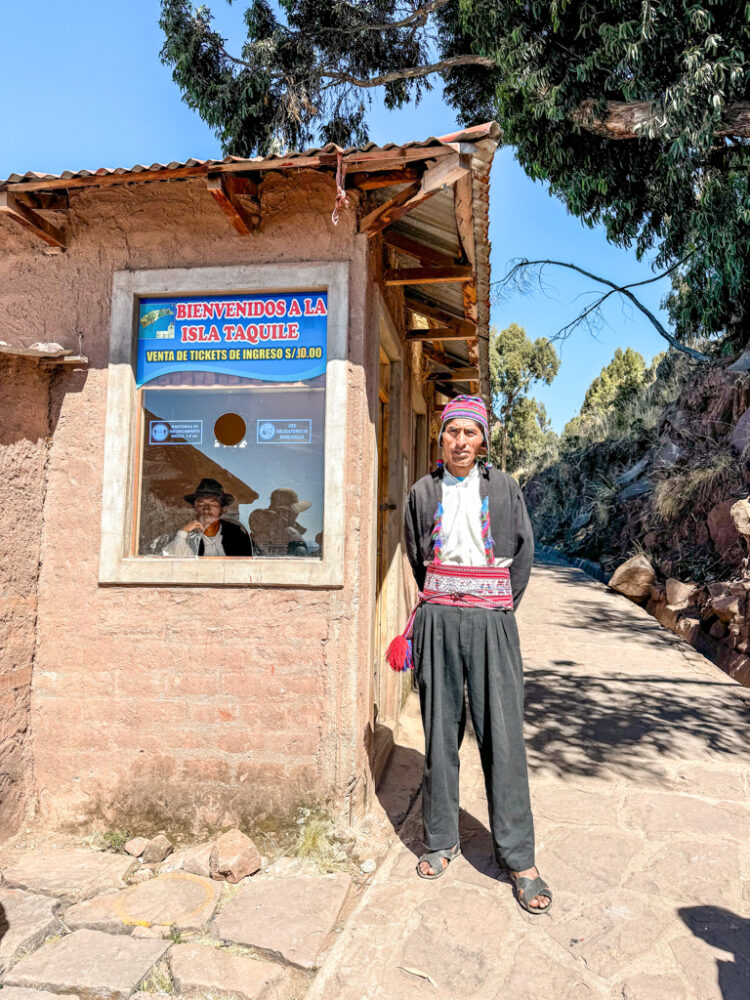
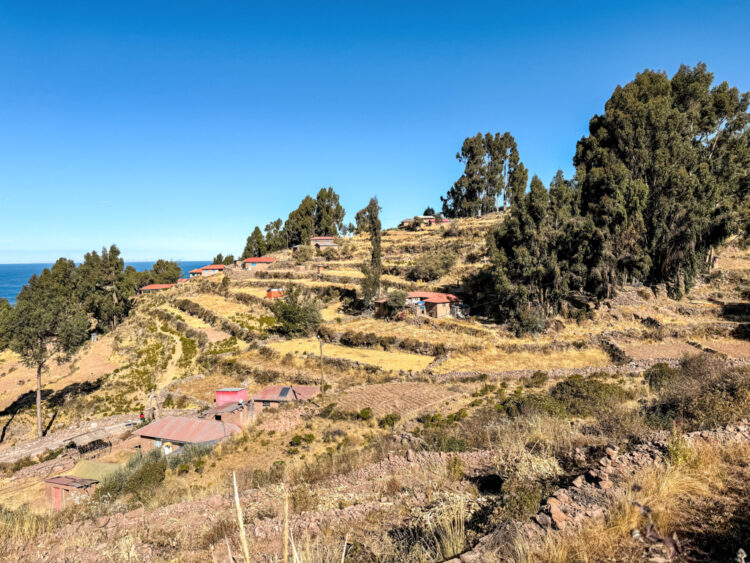
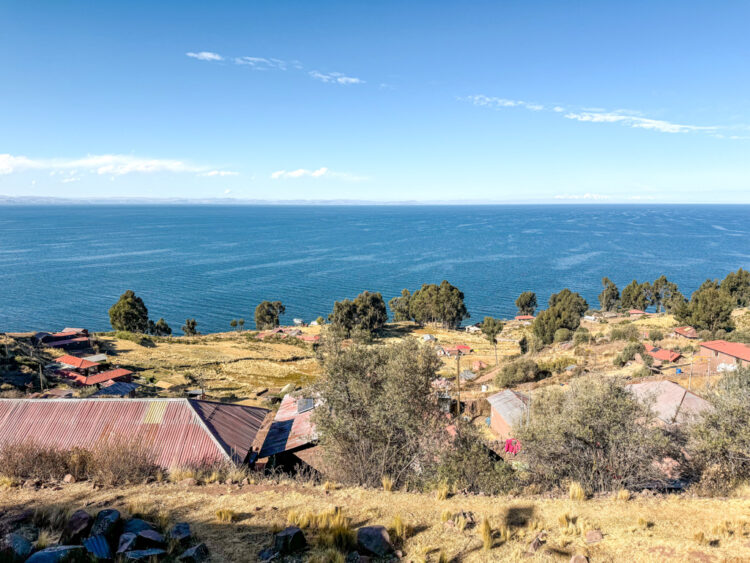
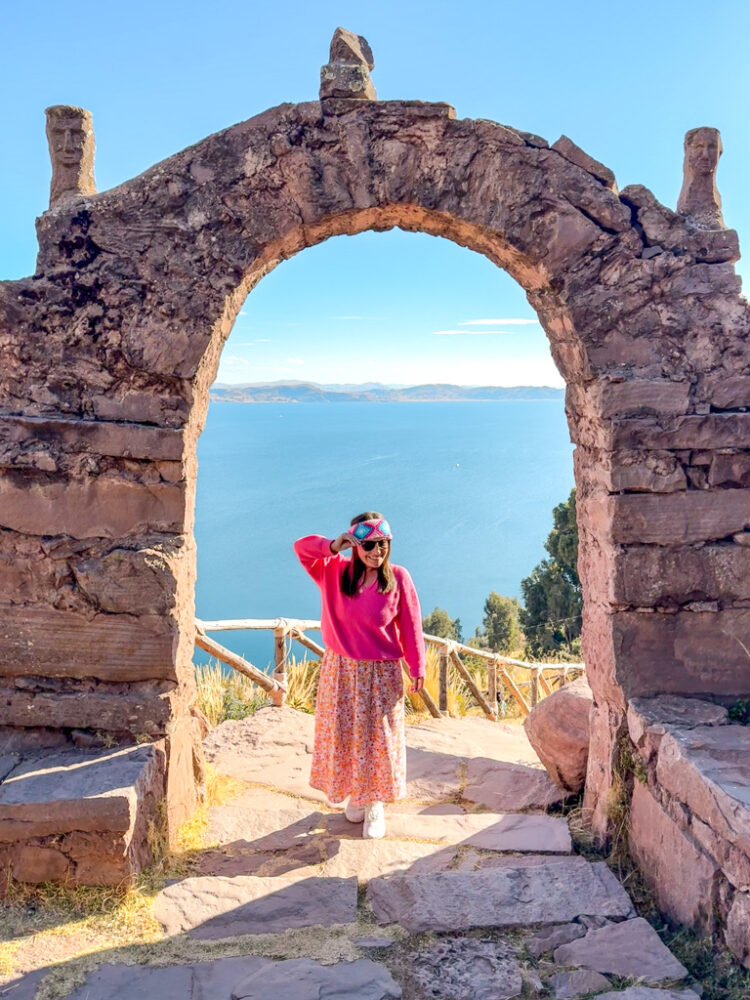
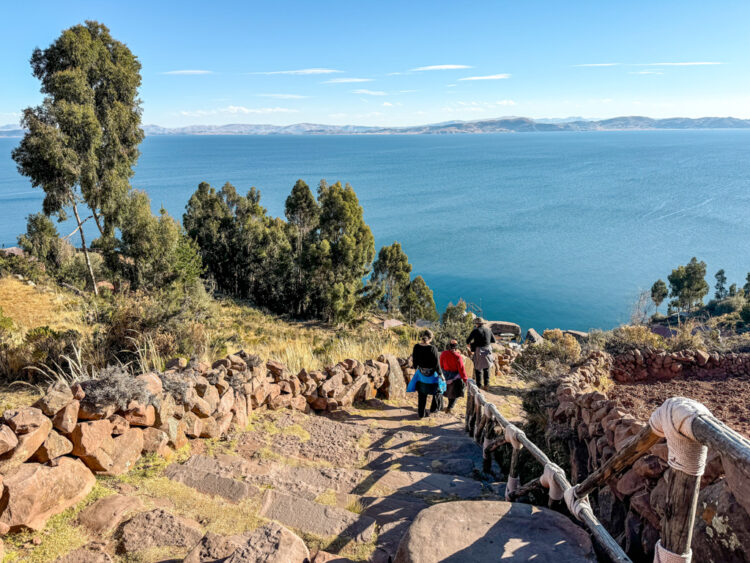
From Uros, we continued across the lake to Taquile Island, known for its terraced hillsides, traditional weaving, and incredible views.
We did a little hiking around the island, too. It wasn’t particularly strenuous, but remember – you’re still at more than 12,000 feet, so “easy hike” is a bit relative, haha. Even a walk that would normally feel like nothing can leave you stopping to catch your breath up here. But the views were SO worth it.
After exploring Taquile, we stopped for lunch, which thankfully involved trucha frita (fried trout from the lake). Trout is super common around Lake Titicaca, and mine was SO good. Not sure if it was how it was prepared or just how fresh it was, but OMG. Delicious.
One of the coolest things about Taquile is how important knitting and weaving are to the local culture – and surprisingly, the men do a lot of the knitting! Men traditionally knit their own pointed hats, and the quality of their handiwork can even help impress potential suitors. So basically, your knitting skills could help determine whether you get married. No pressure, haha.
The hats also communicate relationship status: single men wear red-and-white hats, while married men wear mostly red ones. The women have their own textile traditions, too, including creating intricately embroidered waistbands for their husbands. Pretty cool, right?!
Late Afternoon: Arrive on Luquina Peninsula
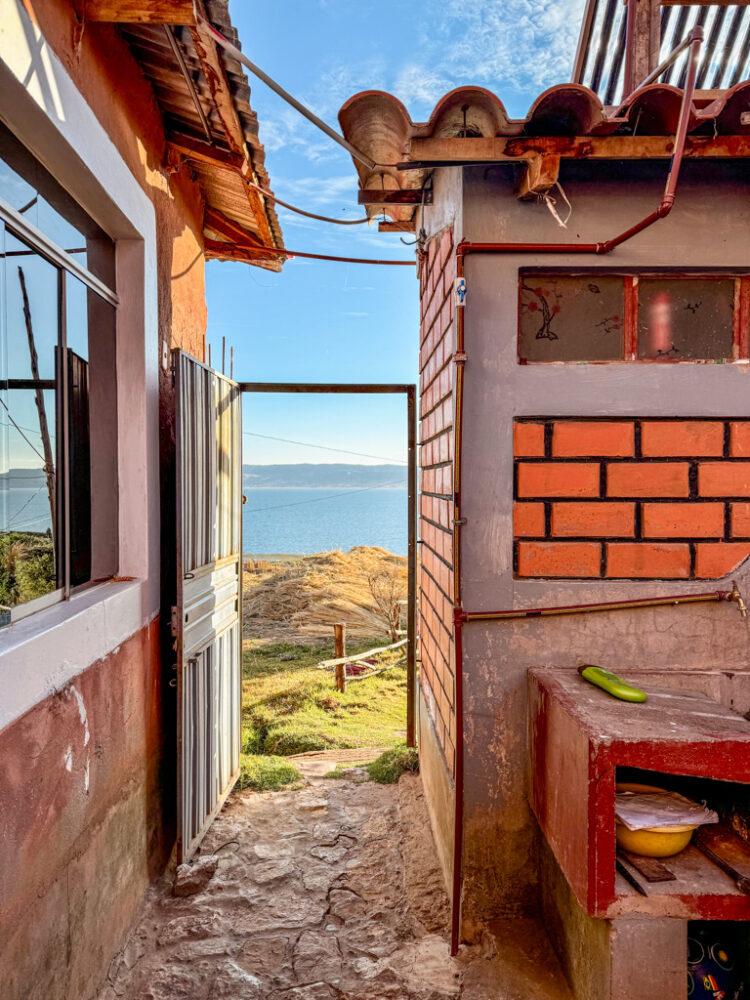
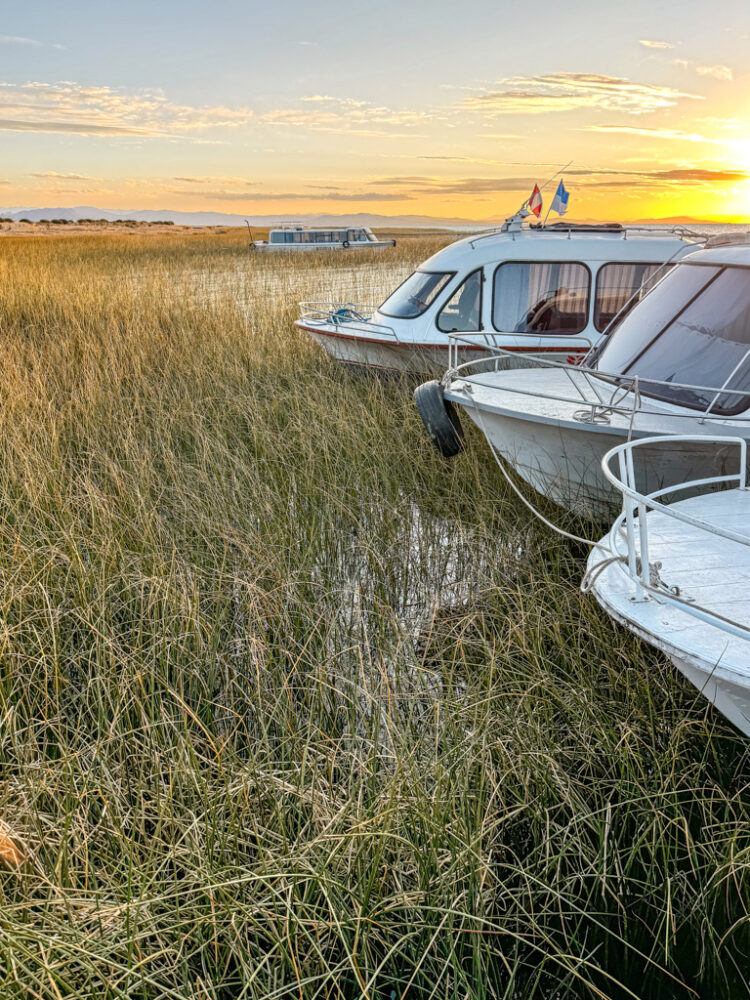
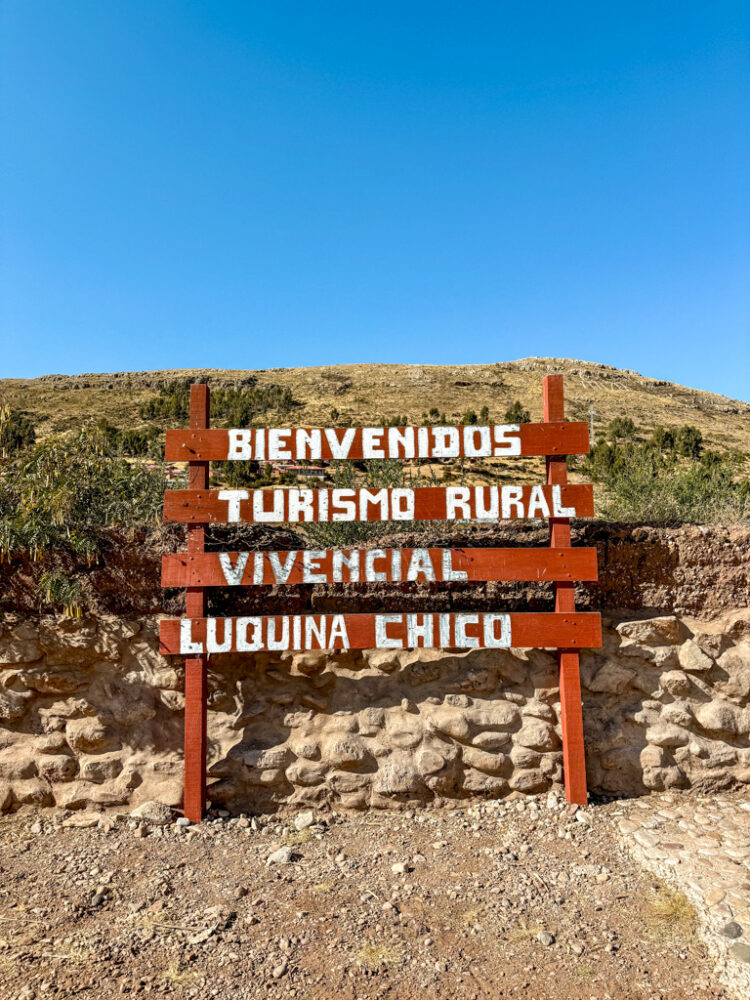
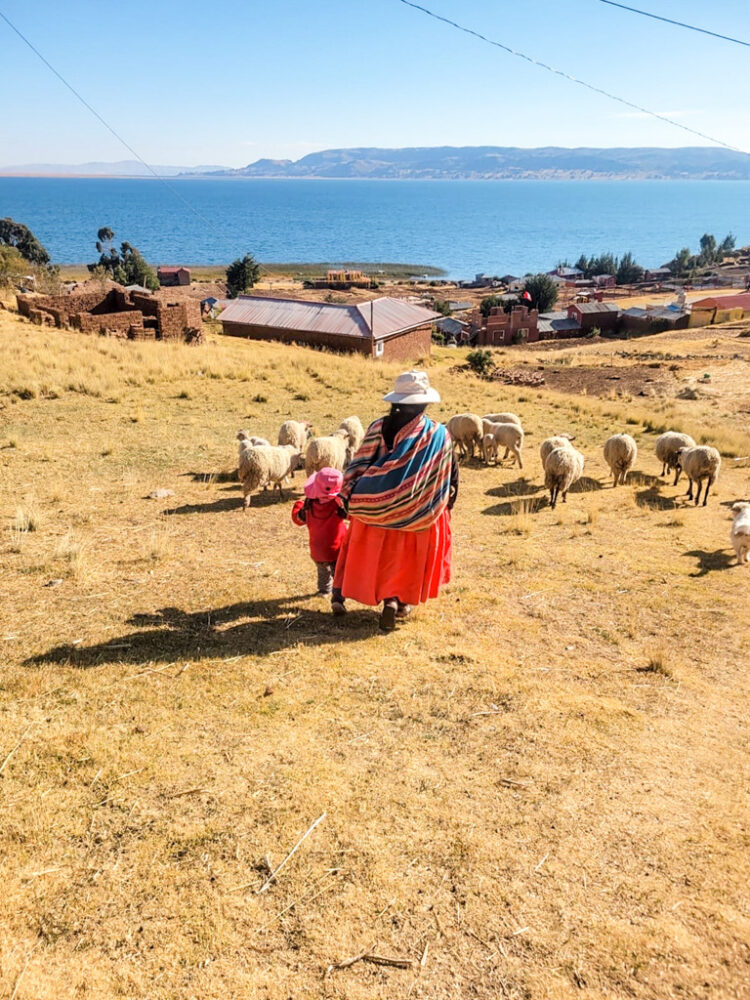
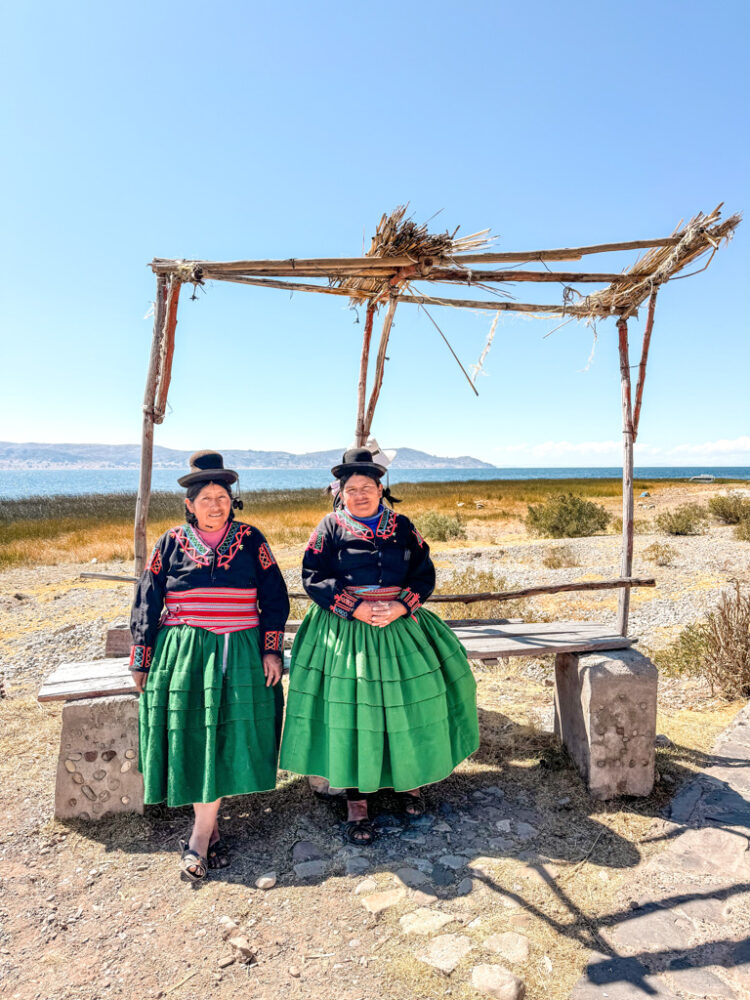
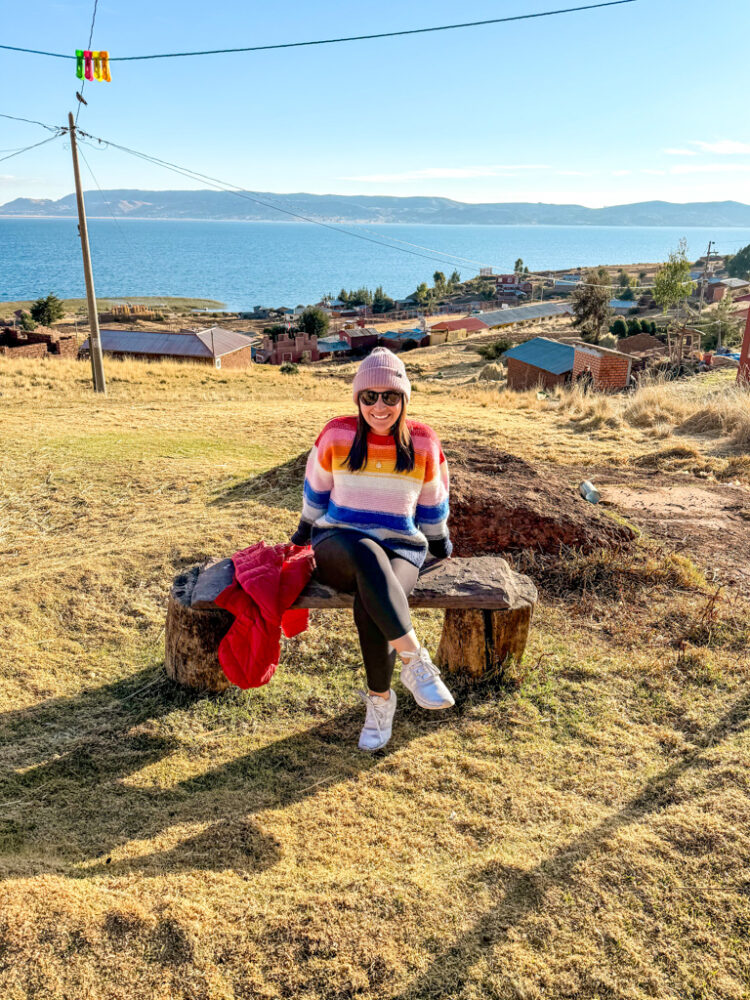
After lunch, we hopped back on the boat and continued to Luquina Peninsula, where we’d be spending the night with a local host family. Unlike the Uros Floating Islands, Luquina felt much more low-key and less commercialized. People actually live their everyday lives here, and it felt like a completely different side of Lake Titicaca.
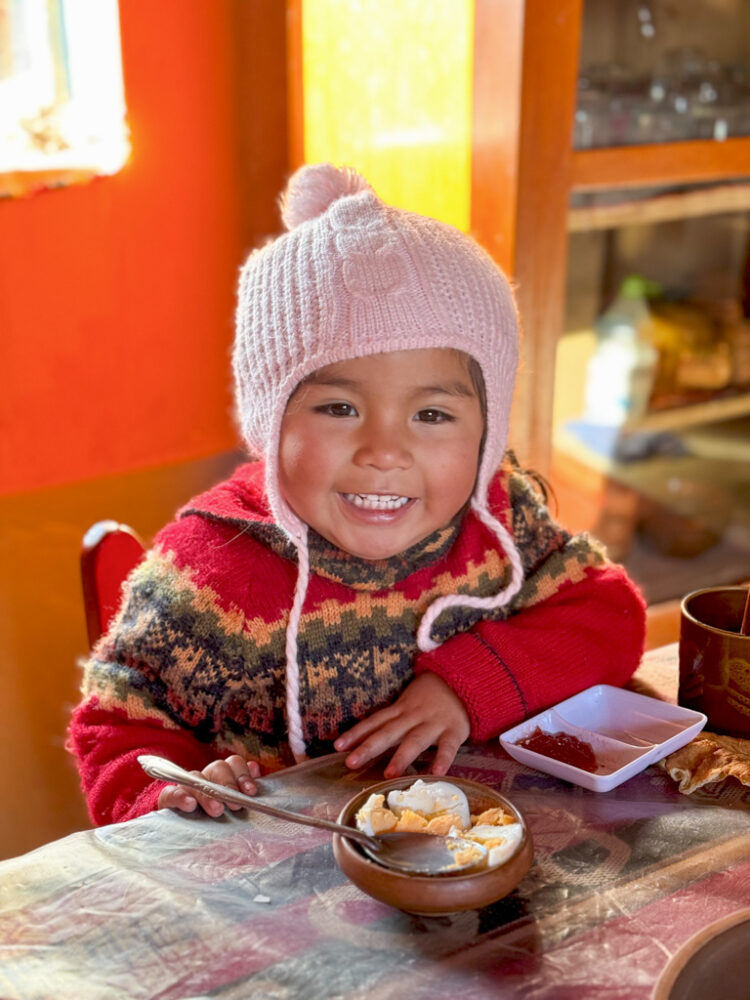
Once we arrived, we met our host family – a wonderful couple and their adorable 3-year-old daughter, Valentina, who instantly stole everyone’s hearts.
One thing I wasn’t quite prepared for? The 20-minute uphill walk from the dock to our accommodations. At more than 12,000 feet, even a relatively short walk can leave you huffing and puffing, haha. And yup, I definitely felt it! Keep that in mind if you’re visiting, especially if you’re still adjusting to the altitude.
My hosts spoke Quechua, so we communicated in Spanish… which wasn’t either of our first languages, so you can imagine how that went, lol. Somehow, between smiles, hand gestures, and the occasional confused stare (yup…), we made it work.
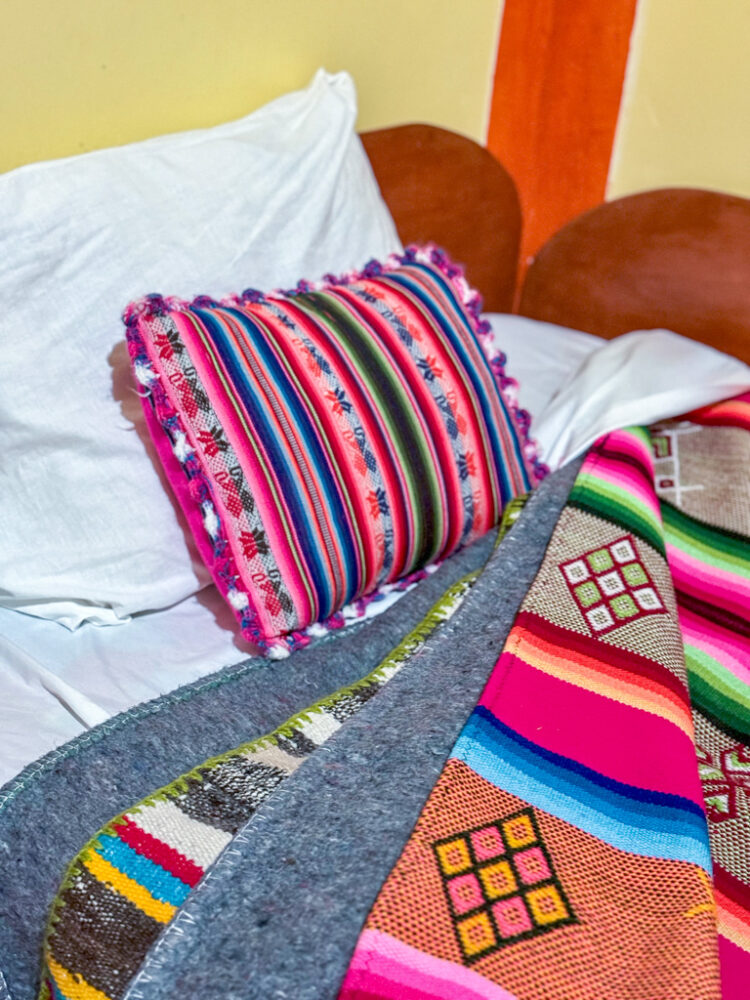
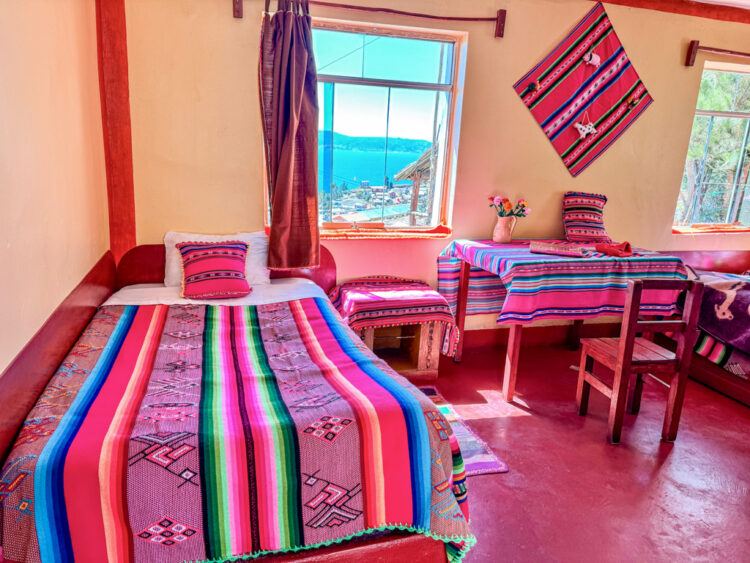
The accommodations were simple but cozy, with a modest room lined with colorful Andean blankets and bedding. It wasn’t luxurious by any means, but honestly, that’s not really the point of staying with a local family.
Evening: Traditional Dancing and Dinner on Luquina
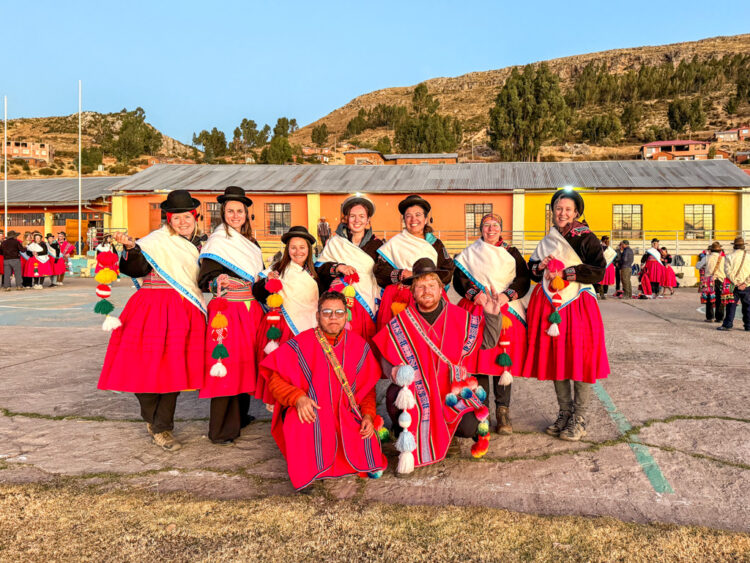
Before dinner, we got dressed up in traditional clothing and headed out for a community celebration with music and dancing. I’m not gonna lie – I had no idea what I was doing half the time, but that’s pretty standard for me when it comes to traditional dancing, haha.
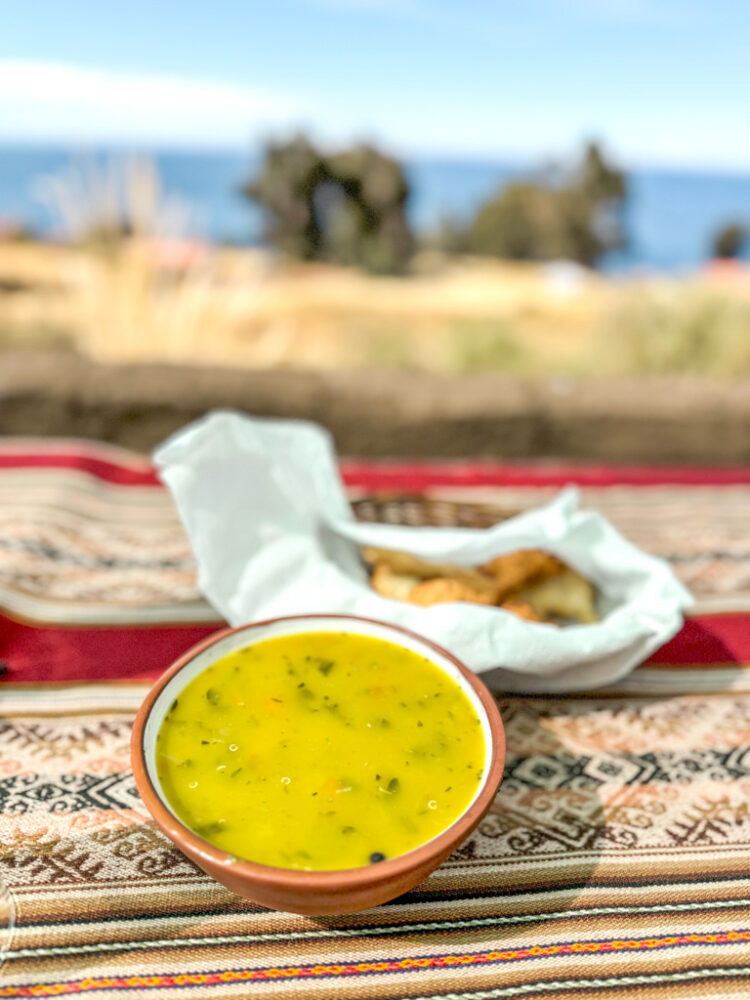
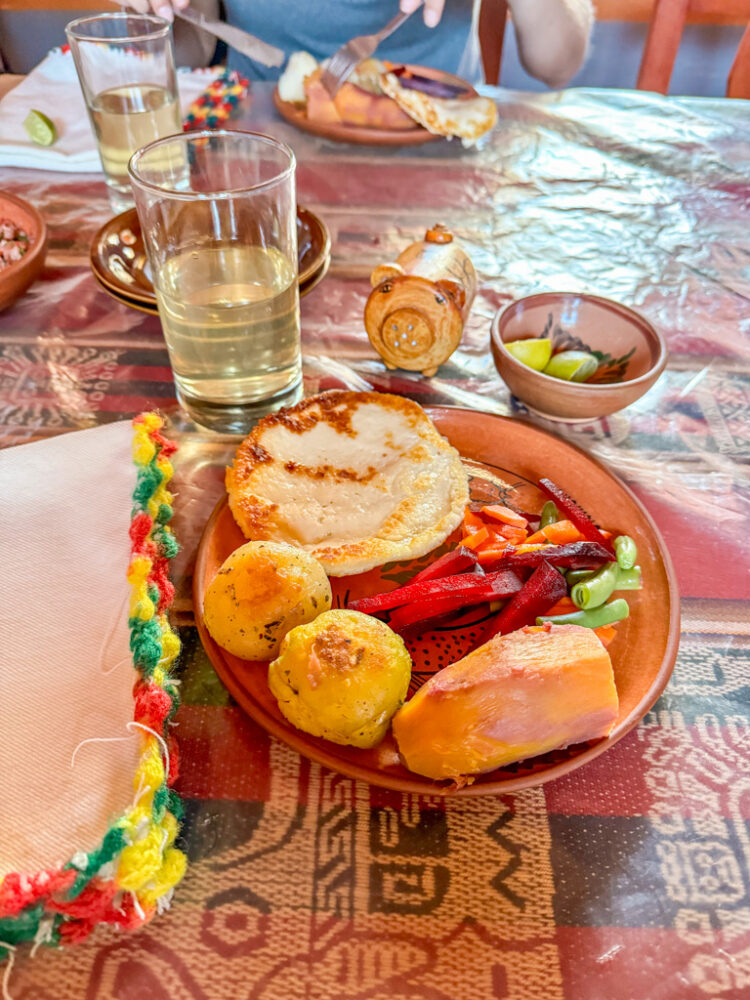
It was such a fun way to spend the evening and get a little glimpse into local life. Back at our homestay, we had a simple, comforting dinner made with local staples like garden vegetables, potatoes, rice, and fava beans. We started with a thick quinoa soup (sopa de quinua), followed by a main course with potatoes, rice, and fried local cheese (queso frito). Nothing fancy, but filling and exactly what we needed after a long day!
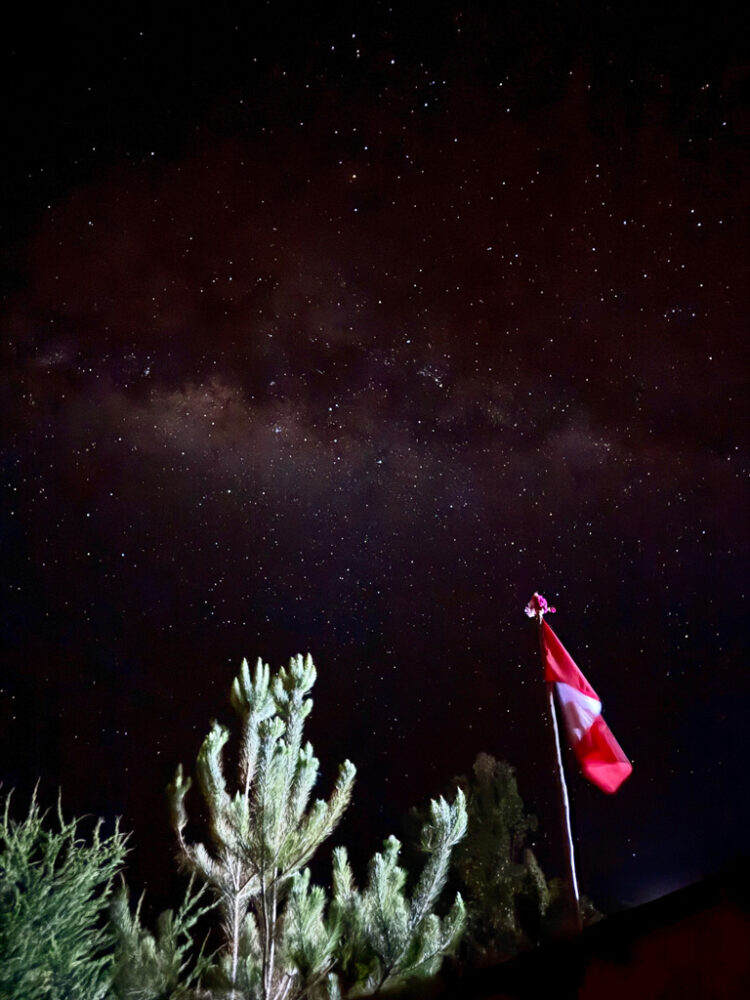
And before going to bed, look up at the sky! Seriously. Luquina has incredibly dark skies, and this is where I saw the Milky Way with my naked eyes for the first time. No fancy camera, no long exposure – I literally just looked up, and there it was. I can’t see many stars living in San Francisco, so it’s always a treat when there’s little to no light pollution!
Day 2: Life on Luquina & Return to Puno
Morning: Breakfast & Helping Our Host Family


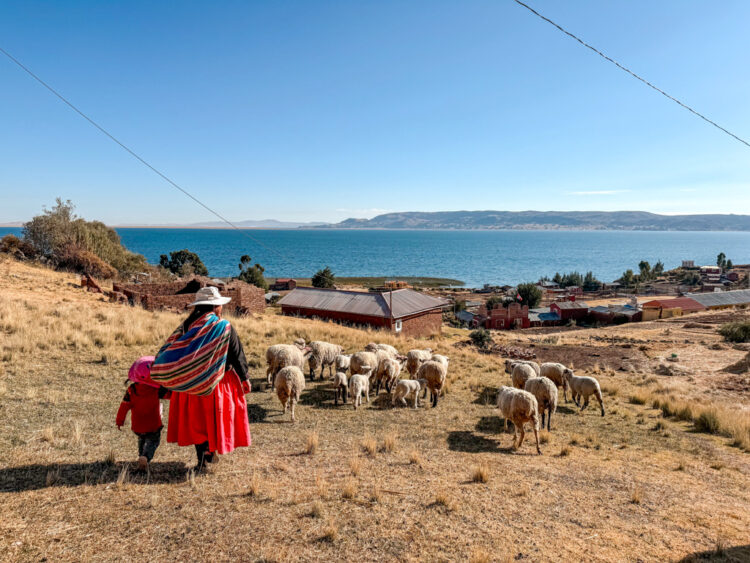
We started the morning with breakfast with our host family before getting a little glimpse into their everyday routine. And by “glimpse,” I mean they actually put us to work, haha.
First up, we helped our host stretch the dough for homemade fried flatbreads, which we feasted on shortly after with some strawberry jam. Honestly, not a bad reward for our hard work — I’d eat them every morning if I could!
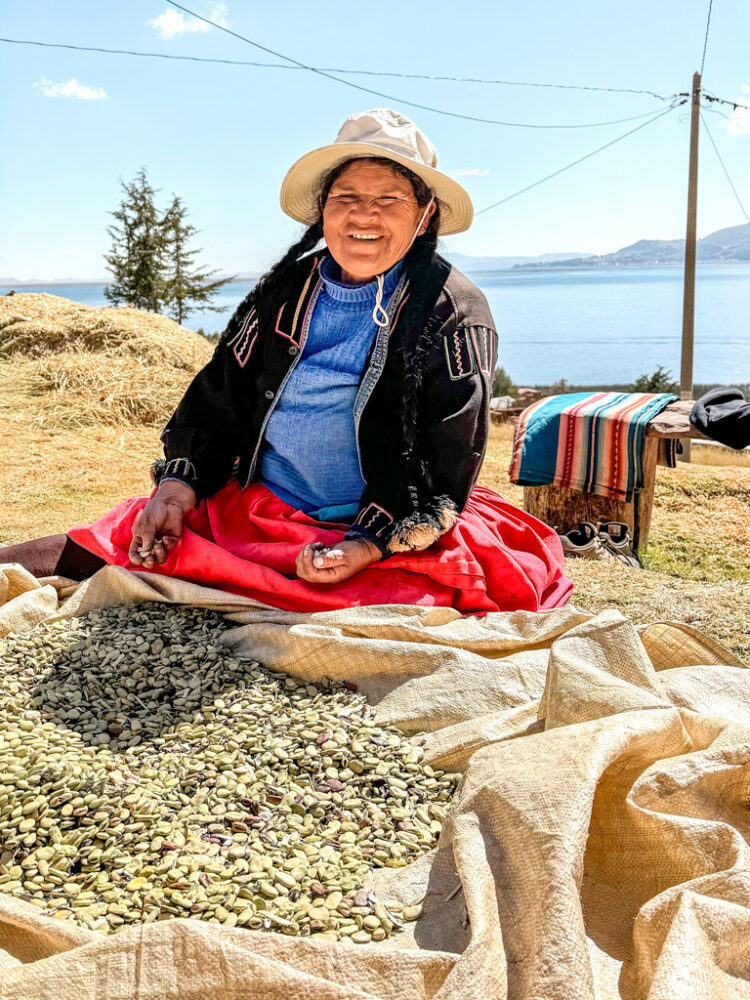
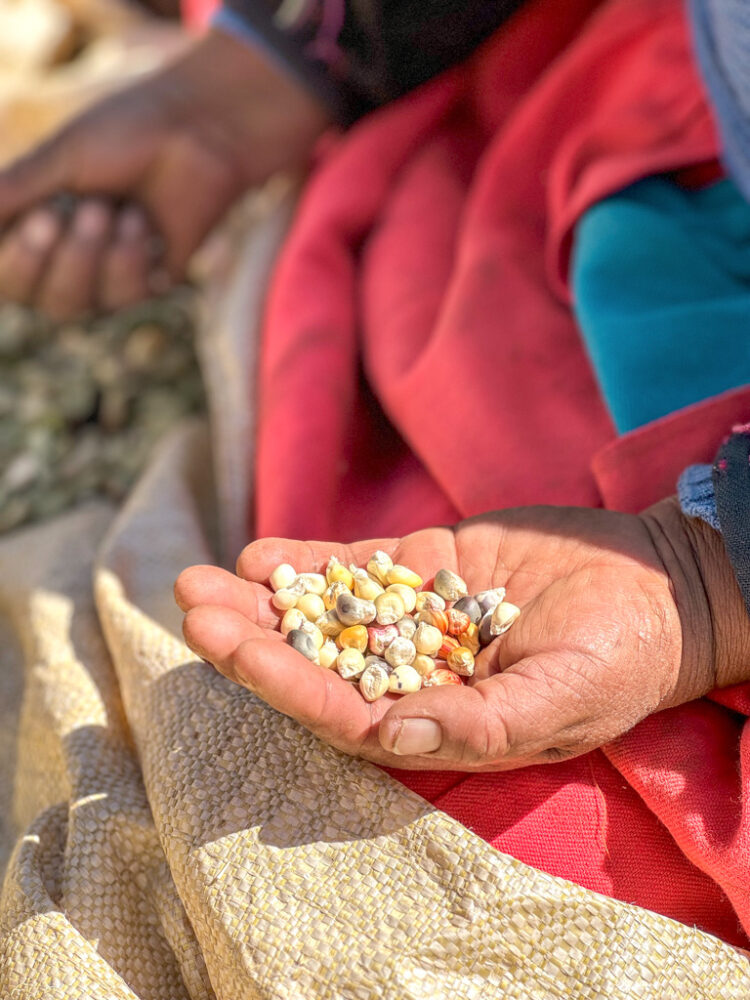
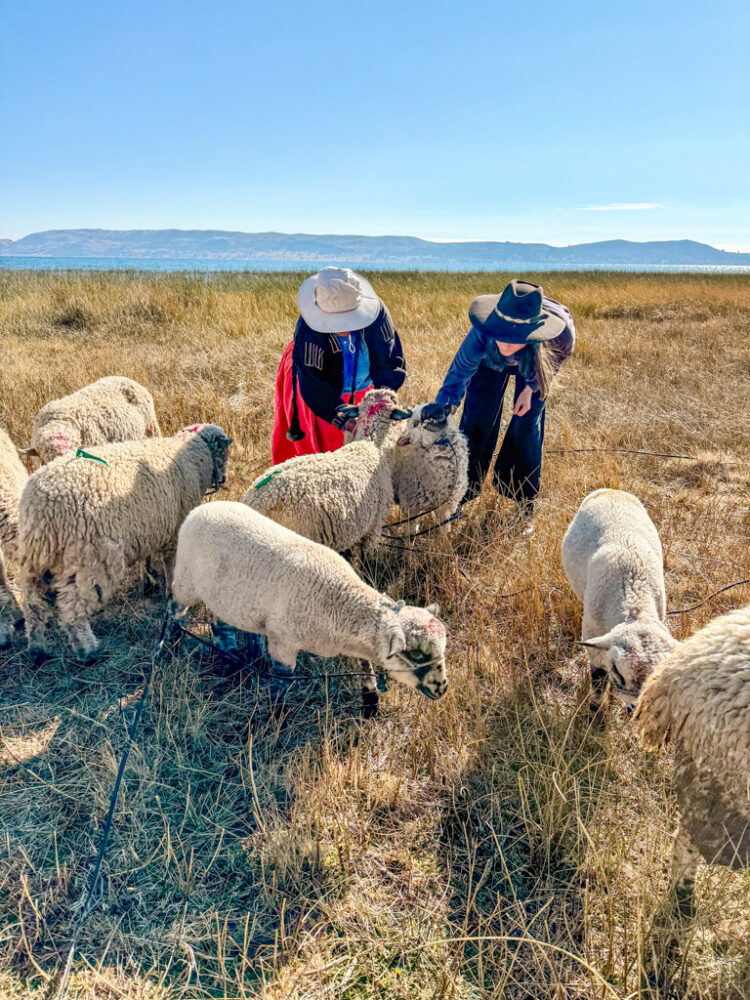
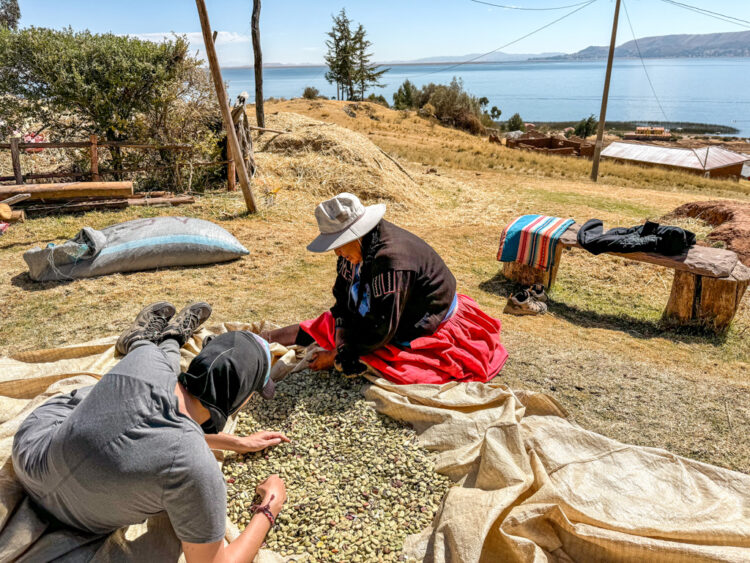
After breakfast, we helped with a couple of daily chores, including sorting lima beans and herding sheep. The lima bean sorting was WAY more strenuous than I expected, haha. There was a surprising amount of sorting and shaking involved, and it was a serious arm workout!
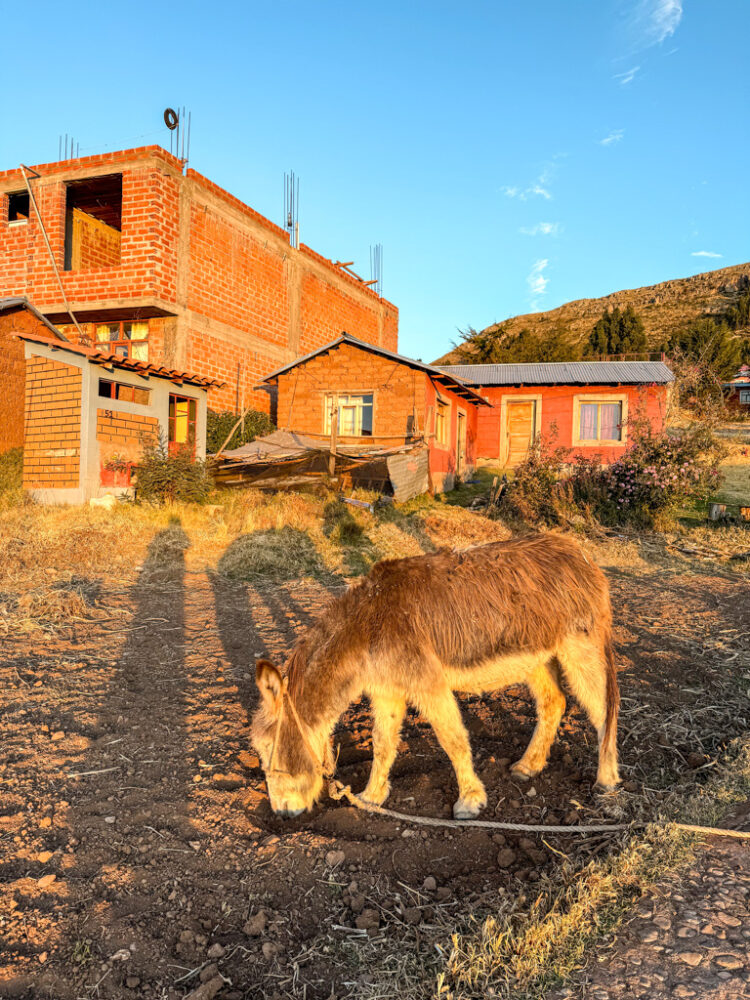
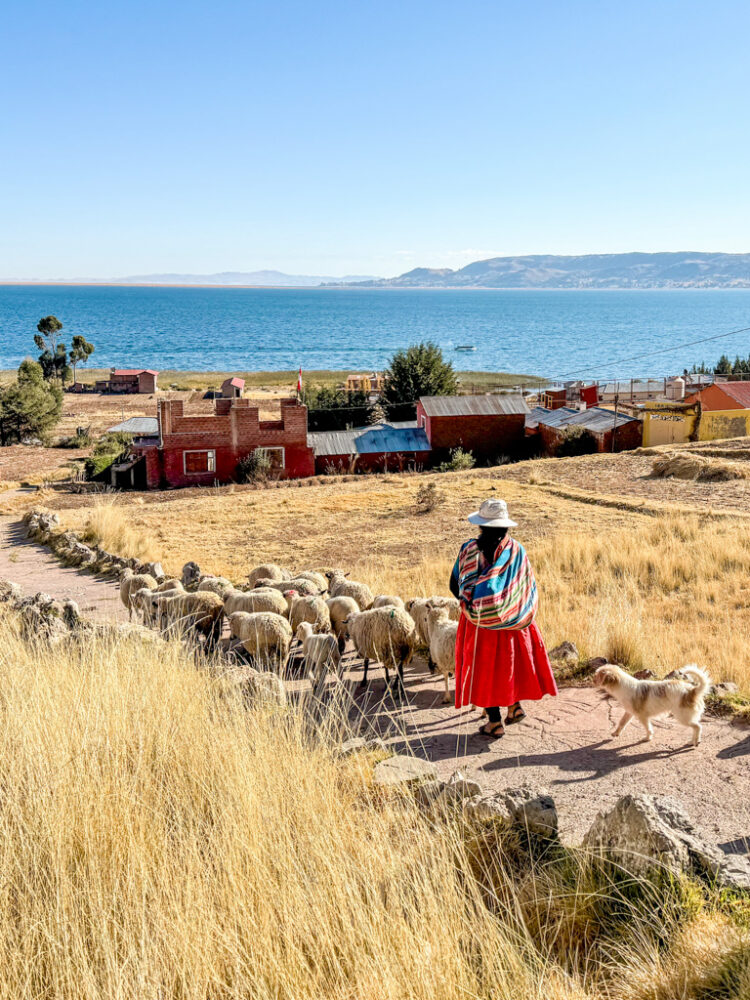
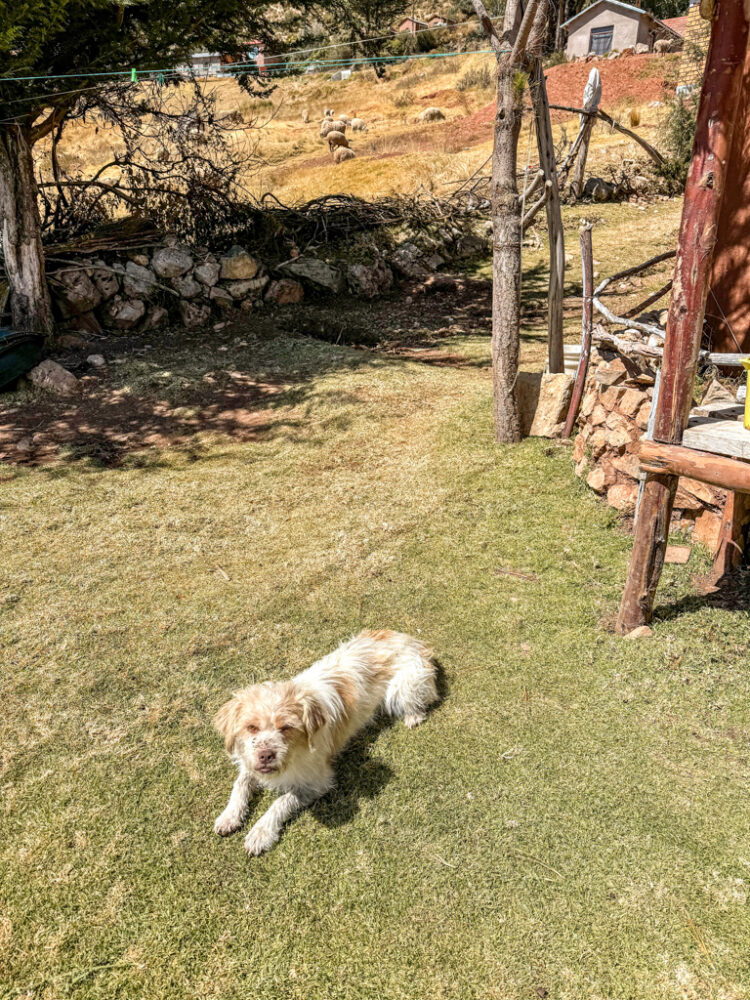
As for the sheep herding? I mostly watched because I had absolutely no clue what I was doing, lol. Even little Valentina was better than I was, haha. We also spotted a donkey wandering around the island, because apparently that’s just a normal sight on Luquina!
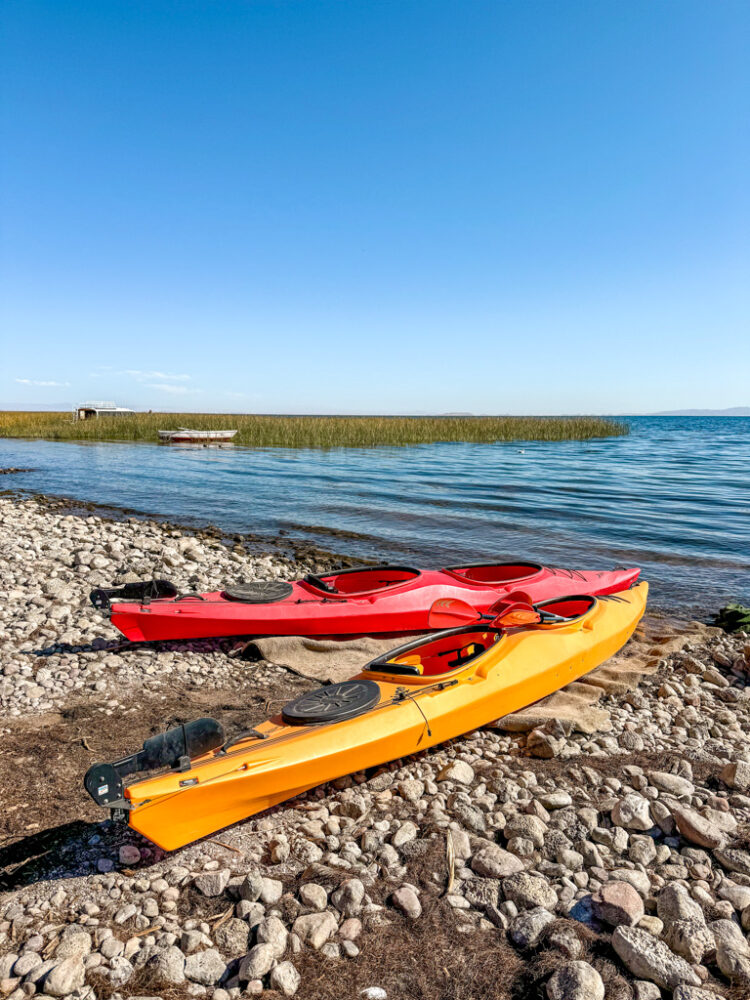
If you’d rather do something a little more fun than chores (lol), some tours also offer kayaking. Just make sure to ask about it beforehand if you’re interested (I would’ve probably fallen off the kayak right away so I stuck with the chores, haha).
Saying Goodbye
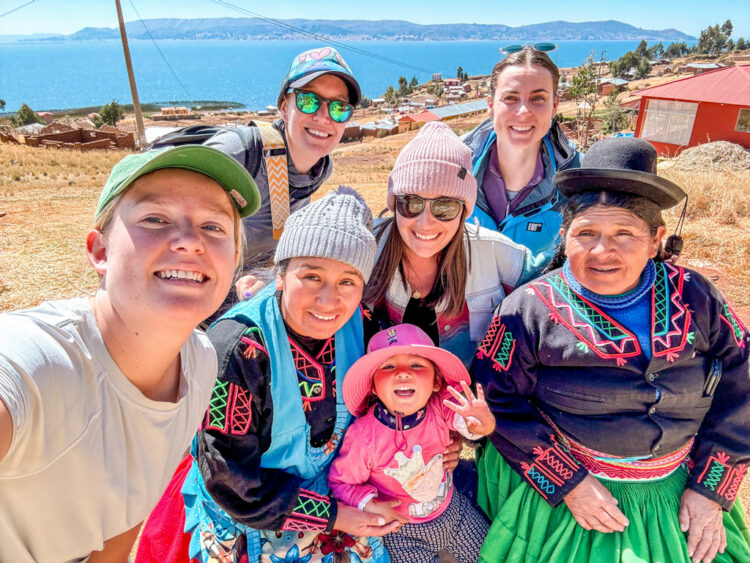
Mid-morning, it was time to say goodbye to our host family. We took some pictures together and hugged little Valentina one last time! I honestly didn’t expect the goodbye to be as emotional as it was, but after spending time with this sweet family, it was surprisingly hard to leave.
One thing I really appreciated about the homestay program is that hosting opportunities rotate between families in the community. That means more local families get to welcome travelers into their homes and earn income from tourism, rather than the same households benefiting every time.
Boat Back to Puno
Eventually, we boarded the boat and made our way back to Puno. And just like that, our two days on Lake Titicaca were over!
It’s hard to put into words what a wholesome experience this was – kinda like when I went swag camping in the middle of the Australian Outback. These are the kinds of travel experiences I find myself longing for, and honestly, they’re a big part of why I love traveling in the first place.
Would I do it again?! 1000%.
Should You Do a Homestay on Lake Titicaca?
Um, yes! Have you not already read my few thousand words above?! Haha.
But seriously, if you’re wondering whether an overnight homestay is worth adding to your Lake Titicaca itinerary, I’d absolutely say go for it. It’s not going to be the most luxurious night of your life, but that’s obviously not the point. It’s about getting a glimpse into everyday life on the islands and spending time with a local family.
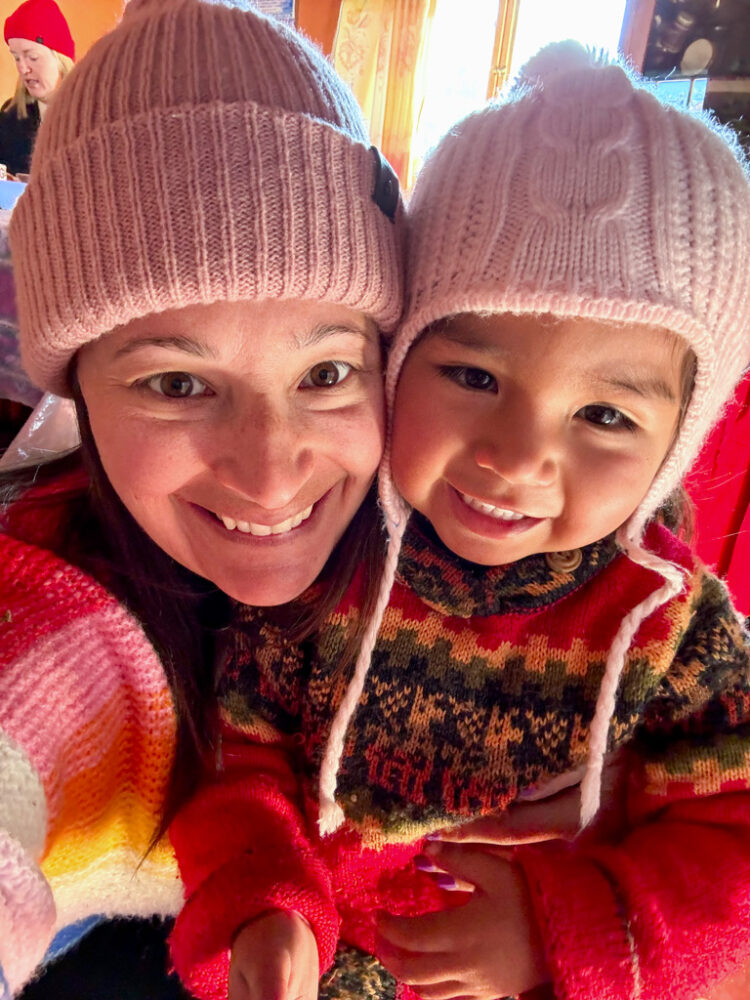
And honestly? That’s what made it worth it for me.
While the Uros Islands and Taquile were definitely worth seeing, the homestay on Luquina was probably the part I’ll remember most. Staying with a local family, attempting to herd sheep (badly), sorting approximately one million lima beans, and going to bed under some of the darkest skies I’ve ever seen made the whole experience feel so different from a typical Peru sightseeing itinerary.
What Is the Homestay Experience Like?
If you’ve never done a homestay before, you might be wondering what you’re actually signing up for. Don’t worry – you’re not exactly moving in with the family, haha. You’ll have your own room, eat meals with your hosts, and get a glimpse into everyday life on the island.
Sleeping arrangements: The accommodations are very basic, but totally fine for one night. We had our own private room with a bed covered in colorful Andean blankets and linens. Expect simple, clean rooms with heavy blankets to keep you warm, but don’t count on central heating, hot water, or all the usual hotel comforts. Honestly, I was so tired by the end of the day that I wasn’t looking for a five-star stay anyway!
Bathrooms: This is probably where you’ll notice the biggest difference from a traditional hotel. Bathrooms are basic, and hot water can be limited or nonexistent depending on the family and accommodations. Some use a bucket-flush system, too. Basically, don’t show up expecting a long, steamy shower, haha.
Electricity: Electricity can also be limited (kinda like in the Peruvian Amazon), so don’t necessarily expect outlets everywhere or unlimited power. Make sure your phone and camera are fully charged before leaving Puno, and bring a portable charger just in case.
Food: Meals are generally homemade and pretty simple, with lots of potatoes, grains, vegetables, and other local ingredients. Meat may be limited or absent at some homestays, including on Luquina, where families traditionally rely heavily on locally grown crops.
For dinner, we ate with our host family and enjoyed a hearty, traditional meal featuring several varieties of potatoes, fried Andean cheese, and crispy quinoa bread. And yes, there were plenty of potatoes. This is Peru, after all!
Breakfast the following morning was simple, too, with Andean peppermint tea, hard-boiled eggs, and freshly fried bread with jam. Nothing fancy, but everything felt homemade and comforting – exactly what you’d expect from staying with a local family.
Language barrier: My hosts spoke Quechua, while I spoke Spanish, so neither of us was communicating in our first language. Let’s just say there were plenty of hand gestures, smiles, and moments where we both just stared at each other trying to figure out what the other person was saying, lol. But somehow, we made it work!
Is a Lake Titicaca Homestay Safe?
Yes – I felt completely safe during my homestay, and I wouldn’t hesitate to do it again. You’re staying with local families who regularly host travelers, and homestays are generally arranged through tour operators or community-run programs. You’re not just showing up at some random person’s house and hoping for the best, haha.
Of course, the usual travel precautions still apply. Keep an eye on your belongings, don’t flash expensive valuables around, and follow your tour operator’s guidance. But overall, I never felt uncomfortable or unsafe during my time on Luquina Peninsula. If anything, my biggest concern was whether I’d be warm enough at night – not my safety!
What surprised me most: Just how quickly the whole thing felt normal! You’re obviously aware that you’re staying in someone else’s home, but after dinner, chatting, helping out a little, and getting ready for bed, it just felt like spending time with a family rather than checking off some tourist experience.
And that’s really what made it special. It didn’t feel overly polished or staged – it just felt like a glimpse into everyday life on Luquina Peninsula. That’s something you’re simply not going to get from a few hours on a boat tour.
What to Bring for the Homestay on Lake Titicaca
You really don’t need to pack anything special for one night, but there’s a few things I’d definitely have with you. We packed small bags and left our suitcases at the hotel we were staying at in Puno, and I advise you to do the same! Plus, it’d be no fun to lug your suitcase around the island… especially the 20-minute uphill walk!
- Warm layers: It gets cold here at night, and there’s no fancy heating system waiting for you. Bring a fleece, sweater, and/or warm jacket. I wasn’t prepared and wore every single item of clothing I brought with me at night, haha.
- Portable charger: It’s a toss up as to how many outlets will be available for you, so just bring that extra battery.
- Small toiletries: Bring your usual basics and anything you personally need. Don’t expect any hotel amenity kits, lol.
- Toilet paper and hand sanitizer: I’d throw both in your day bag just in case when you’re out exploring.
- Cash in Peruvian Sol: Bring some small bills for souvenirs, snacks, or anything else you might want to purchase from the local communities. Make sure you have small bills as you won’t be able to get any change on the islands.
- Comfortable shoes: You’ll be walking around the island, and yup, there’s plenty of hills. Remember, you’re also at serious altitude, so be comfy!
- Water bottle: Please oh please make sure to stay hydrated! This altitude is no joke!
- Snacks: Bring a few snacks for the boat ride or whenever you get hungry between meals (there’s nowhere to buy food).
- Small gift for your host family (optional): Definitely not required, but if you’d like to bring something, a small, thoughtful gift is a nice gesture. We stopped in Puno before visiting the islands to pick up a few small gifts for the children (stickers, bubbles, coloring books) and some kitchen essentials for the adults (cooking oil, rice, pasta, and/or milk; basically anything they cannot grow themselves!).
And one more thing: a camera, of course! The scenery is gorgeous during the day, but the nighttime sky was honestly one of my favorite parts of the entire experience. Thank goodness for night mode – I took plenty of pictures of the Milky Way and constellations!
Pros of a Lake Titicaca Homestay
There’s a few major reasons I’d choose a homestay over simply doing a day trip around the lake:
- You get a more authentic cultural experience. Instead of just visiting an island for a few hours and getting back on the boat, you actually get to spend time with people who live there.
- It’s a pretty unique overnight experience. How many people can say they spent the night on an island in Lake Titicaca with a local family? Definitely not on your average Peru itinerary.
- You get to meet local families. We had the chance to spend time with our host family, including their adorable 3-year-old daughter, Valentina, who pretty much stole the show. I miss her little smile!
- You’re supporting the local community. Quite possibly the number one reason to do this! Homestays are organized so different families have the opportunity to host travelers and earn income from tourism, which means your stay directly benefits people living in these communities, instead of some massive, greedy corporation.
Cons of a Lake Titicaca Homestay
To be honest, I considered not even adding a section for cons, lol. I mean, there’s not too many of them. If you’re looking for an authentic cultural experience, you’ll find it here. Just remember, there’s no fluffy hotel bed, showers are cold, there’s zero room service (ha!), and WiFi will be minimal or nonexistent. If you’re looking for that, just stay in a hotel in Puno…
For me though? I kinda enjoyed the change of pace!
Hope that gives you an idea as to what my Lake Titicaca homestay on Luquina Peninsula was like! Are you planning 2 days in Lake Titicaca soon?!




Leave a Reply